
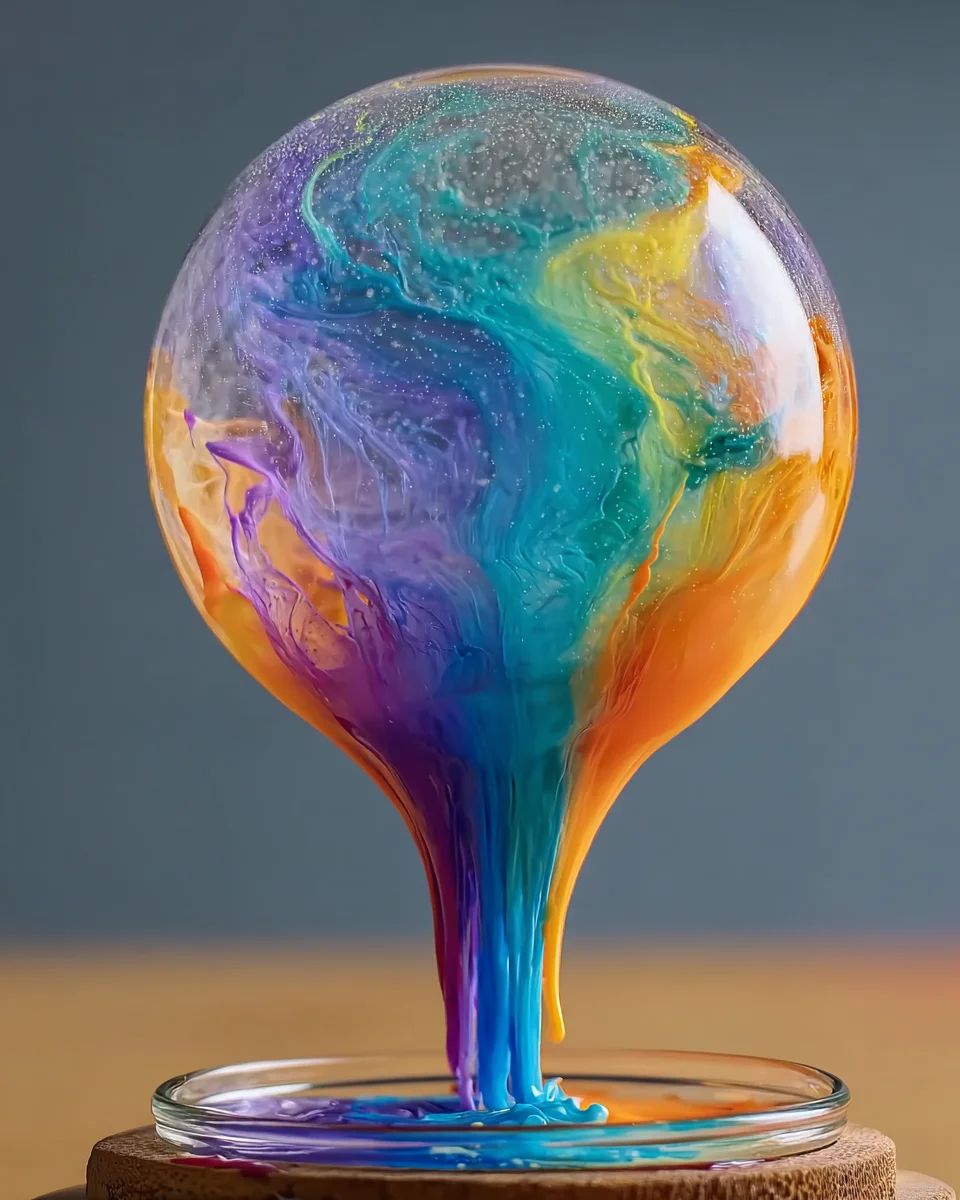
Introduction to Baking Soda Balloon Experiment
Hello, fellow home chefs and curious minds! If you’re looking for a fun and simple way to engage your kids or unleash some creative science at home, the Baking Soda Balloon Experiment is just the ticket. It’s quick, requires minimal setup, and provides a delightful explosion of fun! Plus, it’s a fantastic way to blend learning with play—a total win for busy moms and professionals. I remember the first time I did this with my little ones; the look of wonder on their faces was priceless! Let’s dive into this exciting adventure.
Why You’ll Love This Baking Soda Balloon Experiment
This Baking Soda Balloon Experiment is perfect for busy days when you need a fun, educational activity that doesn’t take much time. In just five minutes, you can spark curiosity and creativity without a ton of setup. Plus, it’s a fantastic way to bond with your kids while igniting their interest in science. Trust me, the joy of watching that balloon inflate is absolutely unbeatable!
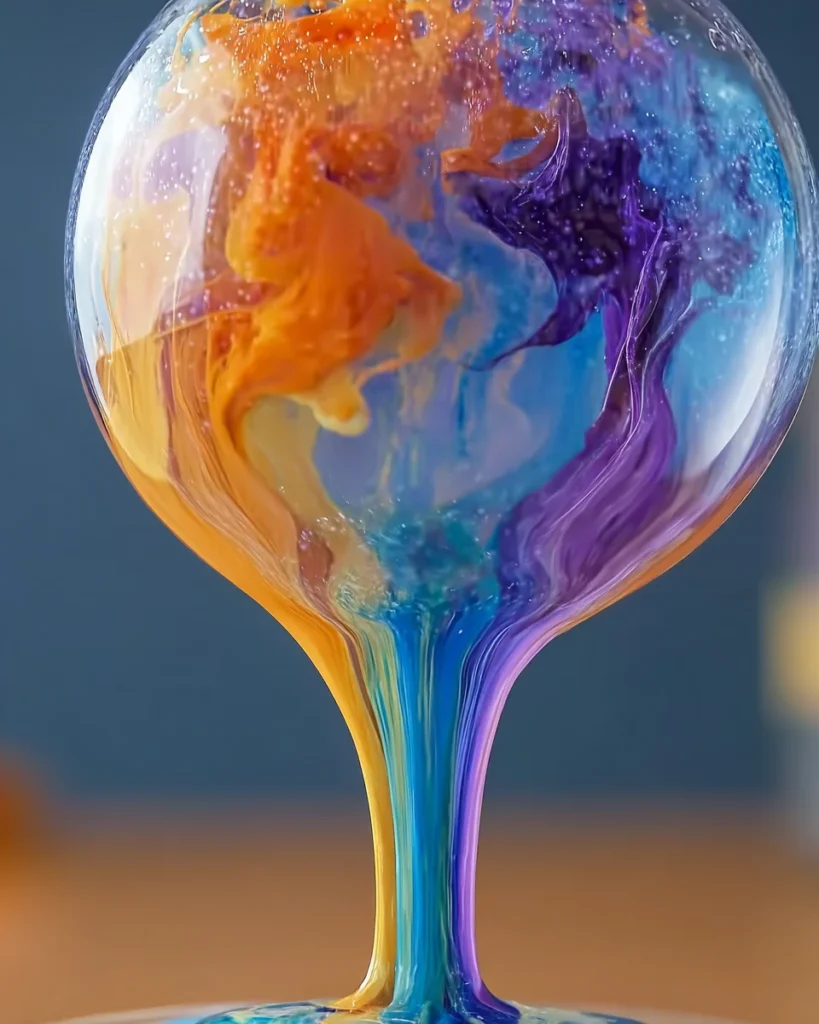
Ingredients for Baking Soda Balloon Experiment
Gathering your ingredients is part of the fun! For this Baking Soda Balloon Experiment, here’s what you’ll need:
- Latex Balloon: Any color or size will do! This will hold the gas that builds up from the reaction.
- Small Plastic Bottle: A standard water bottle works great. This is where you’ll combine the vinegar and baking soda.
- Baking Soda: This is the star of the show! It reacts with vinegar to create carbon dioxide, inflating your balloon.
- Vinegar: White distilled vinegar is best. It’s the perfect partner for baking soda in this fizzy reaction.
- Food Coloring: Optional, but why not add a splash of color for extra flair? It makes the experiment visually exciting!
- Glitter or Essential Oils: For a little sparkle or a pleasant scent, add these optional ingredients to make your experiment even more fun!
Don’t worry about exact measurements just yet; you can find those at the bottom of this article, ready for printing. Let’s get started on this bubbly adventure!
How to Make the Baking Soda Balloon Experiment
Making the Baking Soda Balloon Experiment is simple and exciting. I love how a few basic materials can lead to such a visually stunning outcome. Here’s how to do it step by step. Let’s get our hands dirty!
Step 1: Prepare the Balloon
First things first, let’s get the balloon ready!
Gently stretch the balloon to loosen it up. This is an important step—you want it to be flexible for the reaction ahead!
Next, insert a small funnel into the opening of the balloon. Don’t have one? No worries! A rolled-up piece of paper taped into a cone works just as well. Pour in the 2–3 tablespoons of baking soda. Once it’s in, carefully remove the funnel and keep the balloon upright.
Now, your balloon is primed for action! Set it aside for a moment, ensuring the baking soda remains snug inside. You’ve already set the stage for an explosive reaction!
Step 2: Fill the Bottle
Now, it’s time to prepare the bottle.
Pour ½ cup of vinegar into your plastic bottle. Watch how the liquid swirls—it’s the first step toward an unforgettable experience!
If you want to jazz it up, add 3–4 drops of food coloring while you’re at it. Kids love the bright colors that will soon mix and add a fun visual touch. For a little extra pizzazz, consider tossing in a pinch of glitter or a drop of essential oil. It’s like preparing a science-themed party in a bottle!
Step 3: Attach the Balloon
Here comes the moment of truth!
Carefully stretch the opening of your balloon over the mouth of the bottle. Ensure it fits snugly to prevent any leaks. You don’t want any of that precious gas escaping!
Keep the balloon tilted to the side so the baking soda doesn’t fall into the vinegar just yet. Once you’re ready, simply lift the balloon back to allow the two ingredients to meet. Can you feel the anticipation?
Now watch as the magic unfolds—the balloon inflates, filling up with gas and creating a wonderful sight that’s sure to leave everyone amazed!
Tips for Success
- Ensure all ingredients are at room temperature for the best reaction.
- Work on a surface that’s easy to clean—things can get a bit messy!
- Encourage kids to experiment with different colors or scents.
- Make sure the balloon is tightly secured to prevent gas leaks.
- Practice patience; let kids observe the reaction for maximum engagement!
Equipment Needed for the Baking Soda Balloon Experiment
- Small Funnel: A kitchen funnel works great, but if you don’t have one, a rolled piece of paper will do the trick!
- Plastic Bottle: Any empty plastic bottle, like a water or soda bottle, can be used.
- Measuring Spoon: For accurate baking soda portions; or a regular tablespoon if you don’t have one.
Variations on the Baking Soda Balloon Experiment
- Fruit Flavored Vinegar: Use apple cider vinegar or flavored vinegar for a unique twist. It adds a subtle scent and engages the senses.
- Color Explosion: Mix different colors of food coloring in separate bottles before performing the experiment. Each reaction will produce a delightful color show!
- Scented Baking Soda: Before adding baking soda, mix in a few drops of your favorite essential oil. Think lavender or lemon for a fragrant twist during the reaction.
- Balloon Size Variation: Experiment with larger balloons to capture more gas. Kids will love seeing how big the balloon can get!
- Vinegar Ratios: Adjust the amount of vinegar to see how it affects the reaction speed. It can lead to different inflating results!
Serving Suggestions for the Baking Soda Balloon Experiment
- Snack Time: Pair the experiment with some popcorn or fruit skewers for a fun snack that complements the activity.
- Drinks: Serve refreshing lemonade or fruity smoothies to quench thirst after all that fizzy excitement!
- Presentation: Create a mini science fair display by showcasing the balloon and the materials used, sparking conversations about the fun science behind it all.
FAQs about Baking Soda Balloon Experiment
Can I use other types of vinegar for this experiment?
Absolutely! While white distilled vinegar is the most common choice, you can experiment with apple cider vinegar or even flavored vinegars. Each will give you slightly different scents and maybe even a little extra fun!
What happens if the balloon doesn’t inflate?
If your balloon remains limp, double-check that the baking soda is secure inside the balloon and that the seal around the bottle’s neck is tight. Sometimes it takes a little tweaking to get it just right!
Is this experiment safe for young children?
Yes! The Baking Soda Balloon Experiment is safe and fun for kids of various ages. Just supervise them to ensure they handle the ingredients appropriately. It’s a fantastic opportunity for them to learn and engage with science safely!
How can I reuse the materials after the experiment?
Once you’re done, you can recycle the plastic bottle. As for the balloon, it’s best not to reuse it since it might lose elasticity. However, you can definitely save any remaining baking soda and vinegar for future experiments!
What if I want to do this experiment outside?
That sounds like a blast! Performing the Baking Soda Balloon Experiment outside can add an extra layer of excitement—and it’s easier to clean up afterwards! Just make sure you have everything ready before starting!
Final Thoughts on Baking Soda Balloon Experiment
The Baking Soda Balloon Experiment isn’t just about science; it’s about creating lasting memories with your loved ones. Watching that balloon inflate is a moment filled with wonder and excitement, echoing giggles and gasps of surprise!
This quick and easy activity brings a splash of joy to any busy day, allowing you to share a unique experience with your kids while sparking their curiosity. Plus, it’s a gentle reminder that fun science is just a puff of baking soda and a splash of vinegar away. So, gather your ingredients and let the experimentation begin!
Print
Baking Soda Balloon Experiment
- Total Time: 5 minutes
- Yield: 1 experiment 1x
- Diet: Gluten Free
Description
A fun science experiment demonstrating the reaction between baking soda and vinegar using a balloon.
Ingredients
- 1 latex balloon (any color or size)
- 1 small plastic bottle (like a used water bottle)
- 2–3 tablespoons baking soda
- ½ cup vinegar (white distilled works best)
- Optional: A few drops of food coloring
- Optional: Glitter or essential oils
Instructions
- Prepare the Balloon: Stretch the balloon gently to loosen it up. Insert a small funnel into the balloon opening. Pour 2–3 tablespoons of baking soda into the balloon. Remove the funnel and keep the balloon upright so the baking soda stays inside. Set the balloon aside carefully. Pro Tip: If you don’t have a funnel, roll a piece of paper into a cone shape and tape it. Use it as a makeshift funnel.
- Fill the Bottle: Pour ½ cup of vinegar into the plastic bottle. For added visual effect, add 3–4 drops of food coloring. You can also mix in a pinch of glitter or a drop of essential oil to enhance the experiment.
- Attach the Balloon: Stretch the balloon’s opening over the mouth of the bottle. Be sure the balloon is secure and fits snugly to prevent gas leaks. Keep the balloon tilted to the side so the baking soda doesn’t fall in yet.
Notes
- Make sure all materials are at room temperature for the best results.
- The experiment may become messy, so consider doing it in a space that is easy to clean.
- Prep Time: 5 minutes
- Cook Time: 0 minutes
- Category: Science Experiment
- Method: Reaction
- Cuisine: N/A
Nutrition
- Serving Size: N/A
- Calories: N/A
- Sugar: N/A
- Sodium: N/A
- Fat: N/A
- Saturated Fat: N/A
- Unsaturated Fat: N/A
- Trans Fat: N/A
- Carbohydrates: N/A
- Fiber: N/A
- Protein: N/A
- Cholesterol: N/A