
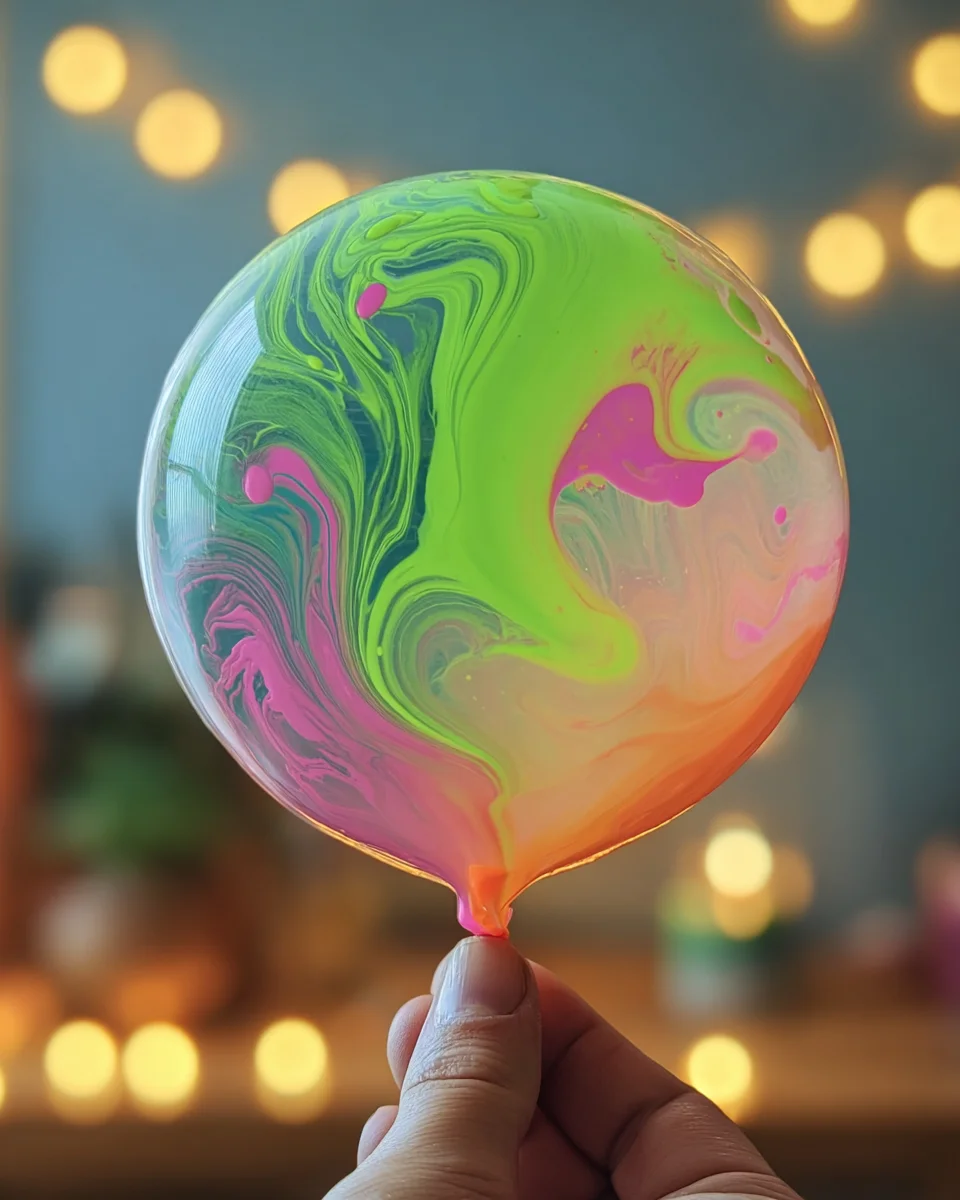
Introduction to Balloon Baking Soda Experiment
Welcome to the whimsical world of science with the Balloon Baking Soda Experiment! This delightful DIY project combines creativity and learning, making it the perfect activity for kids and their lifelong science enthusiasts—like us! Imagine the excitement as your little ones watch their balloon inflate right before their eyes, all while they discover the magic of chemical reactions. It’s not just a craft; it’s a memorable experience that fosters curiosity and hands-on learning. Plus, everything you need is affordable and super easy to find! Let’s embark on this bubbly adventure together!
Why You’ll Love This Balloon Baking Soda Experiment
This Balloon Baking Soda Experiment is a dream come true for busy moms and creative teachers alike! It’s quick, simple, and oh-so-affordable, letting you have fun without breaking the bank. As you bond with your kids over bubbling science, you’ll create memories that spark joy. Plus, who wouldn’t adore a little glitter and fizz in their day? It’s a perfect mix of fun, learning, and togetherness!
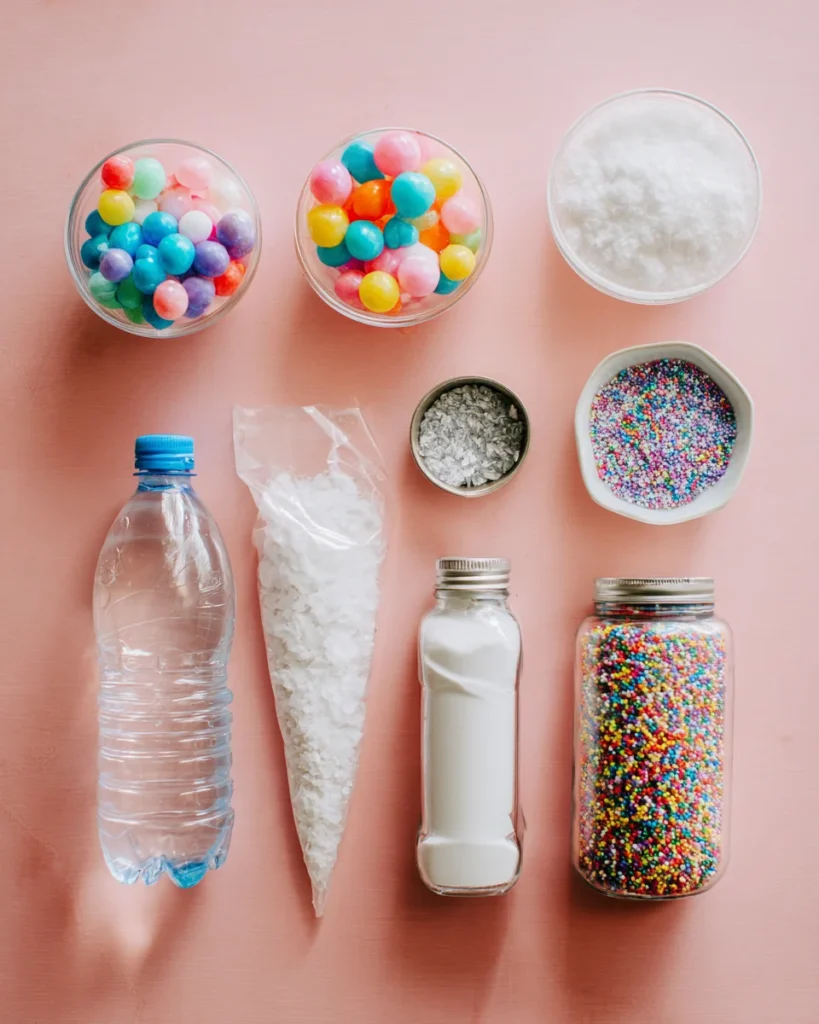
Materials and Tools Needed for Balloon Baking Soda Experiment
To embark on your bubbly adventure with the Balloon Baking Soda Experiment, you’ll need a few simple materials that are probably already in your home! Here’s what you’ll gather:
- Balloon: Choose any color you like; this adds a vibrant touch to your experiment.
- Plastic Bottle: An empty water bottle works perfectly to contain the fizzy reaction.
- Baking Soda: This magical powder is crucial for our reaction—it’s the star of the show!
- Vinegar: The acidic counterpart that brings the magic to life when mixed with baking soda.
- Funnel or Paper Cone: Helps you fill the balloon without making a mess—a must-have for hassle-free crafting.
- Optional Extras: Feel free to personalize your experiment with food coloring or glitter for an enchanting touch!
These items are not only easily accessible but also eco-friendly, keeping your project budget-friendly and enjoyable! Get ready for some science-filled fun!
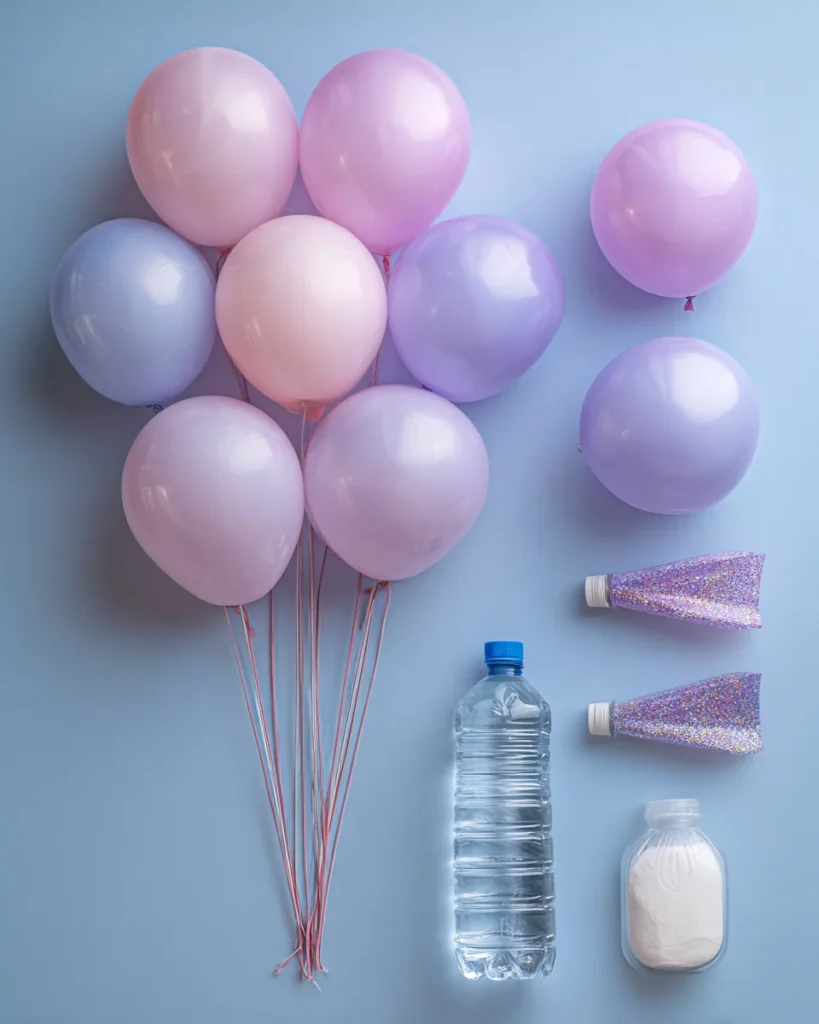
How to Make Balloon Baking Soda Experiment
Now comes the thrilling part of our Balloon Baking Soda Experiment! It’s time to roll up your sleeves, grab those balloons, and dive into a world of fizzy fun. With each step, you’ll see your kids’ eyes light up with amazement, making this not just a craft but a memory in the making. Let’s jump into the step-by-step guide that will leave everyone giggling and learning!
Step 1: Prepare Your Balloon
Start by grabbing your colorful balloon and a funnel (or a rolled piece of paper if you don’t have a funnel handy). Carefully pour about 2–3 tablespoons of baking soda into the deflated balloon through the funnel. This is where the magic begins, so take your time to prevent spills! Once filled, gently set the balloon aside; try not to let any baking soda slip out. It’s like filling a treasure chest with gold—every grain counts!
Step 2: Prepare the Vinegar
Next, take your empty plastic bottle—an old water bottle works wonders! Pour in about half a cup of vinegar. Want to make it extra special? Add a few drops of food coloring or a sprinkle of glitter! This will not only make the experiment visually appealing but also tickle your creative side. Kids love sparkle, and the surprise when they see the reaction is priceless!
Step 3: Combine the Ingredients
Now it’s time to bring everything together! Carefully stretch the open end of the balloon over the mouth of the bottle, ensuring a tight seal. This is crucial—any gaps will lead to a big mess instead of a pop of fun! Imagine you’re sealing a treasure chest; you want to keep all that excitement inside!
Step 4: Initiate the Reaction
Here comes the fun part! Gently lift the balloon upright, letting the baking soda spill into the vinegar below. Watch in awe as the mixture fizzes wildly, creating bubbles and releasing gas! It’s like a mini volcanic eruption in your kitchen, and the balloon will soon begin to inflate, capturing the carbon dioxide produced in the process. Invite the kids to observe and cheer as the balloon grows larger—it’s a spectacle that never gets old!
Step 5: Discuss the Science
Once the excitement settles, take a moment to discuss what just happened. Talk about how the baking soda (a base) reacts with vinegar (an acid) to create carbon dioxide gas. Can you believe all that fizzing is just a chemical reaction? Encouraging questions and curiosity makes this not just an experiment but a learning experience full of giggles and “wow” moments. The joy of science is best savored together!
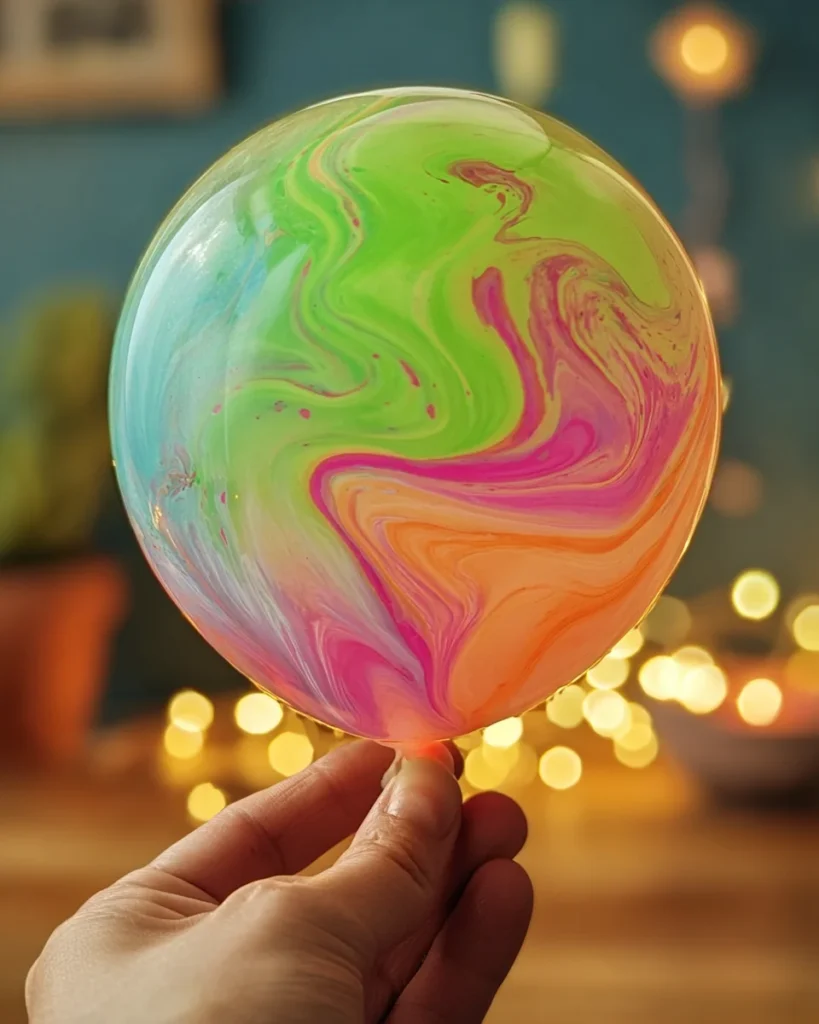
Tips for Best Results
- For easier filling, make sure the balloon is fully stretched before adding baking soda.
- Seal the balloon securely; any gaps will lead to messy spills instead of fun!
- If the reaction seems weak, try adjusting the amounts of baking soda and vinegar.
- Always supervise kids during the experiment to ensure safety.
- Experiment with different colors and glitter to keep the fun alive!
Theme and Design Variations
- Halloween Fun: Use orange and black balloons with spooky stickers to create a ghostly theme! Kids will love the festive twist.
- Rainbow Burst: Fill balloons with different colors of baking soda and mix various food colorings for a vibrant explosion!
- Winter Wonderland: Try blue and white balloons for a chilly theme; add glitter to mimic snow sparkling in the sun.
- Eco-Friendly Twist: Use recycled materials for your bottle and natural food coloring for a guilt-free crafting session.
- Character Themes: Choose balloons that represent your child’s favorite characters, from superheroes to whimsical creatures.
Display and Use Ideas
- Home Decor: Use your inflated balloons as festive centerpieces for Halloween or birthday parties—just place them in a visible spot for added charm!
- School Projects: Present the Balloon Baking Soda Experiment as a fun science fair project, showcasing both the process and the exciting reaction!
- Gift Ideas: Package it as a DIY science kit for friends or family—just include the ingredients and instructions for replicating the fun!
FAQs about Balloon Baking Soda Experiment
Can my child do the Balloon Baking Soda Experiment alone?
While this experiment is simple, it’s best done with adult supervision. Kids can easily get excited and make messes, plus it’s a great bonding experience to share the fun together!
What should I do if the balloon doesn’t inflate?
If your balloon isn’t inflating, check for gaps where the balloon meets the bottle—any leaks can spoil the fun! Also, try adjusting the amounts of baking soda and vinegar for a stronger reaction.
Is it safe for all ages?
Absolutely! The Balloon Baking Soda Experiment uses common household items, making it a safe science craft for kids. Just ensure younger children are supervised, especially when handling the vinegar.
Can I change the ingredients for different results?
Yes! Experiment with different types of vinegar, like apple cider vinegar, to see how it affects the reaction. You can also vary the quantities of baking soda and vinegar to create different levels of fizz.
How long does the experiment last?
The bubbling reaction is quite quick, lasting around a few minutes before it fizzles out. But the joy and learning will stick around long after the balloon has deflated!
Final Thoughts
What a delightful journey we’ve taken with the Balloon Baking Soda Experiment! This crafty science project is not just about the fizz and pop but also about the laughter, learning, and cherished moments you’ll create with your kids. Watching the balloon inflate, filled with excitement and carbon dioxide gas, is truly rewarding. I hope you’re inspired to give this experiment a try! Share your results with friends and family—let’s spread the joy of science! Remember, every household item you use adds to the whimsy of crafting memories together!