

Introduction to Bioplastic Suncatchers
As a busy mom, I often find myself juggling endless tasks, so I crave quick, creative solutions. That’s where bioplastic suncatchers come in! This delightful project combines nature and art, allowing us to create vibrant pieces for our windows. It’s not just a fun activity for kids; it’s a beautiful reminder of the great outdoors. Plus, it’s an eco-friendly craft that uses items we can easily find during a simple walk. So, grab your loved ones and let’s embark on this colorful journey together—transforming our collected treasures into stunning suncatchers!
Why You’ll Love This Bioplastic Suncatchers
Creating bioplastic suncatchers is a breeze! Not only do they brighten up your home, but they also make for a fun, hands-on activity with your kids. You’ll love the speed of the process—most of the time is spent waiting for them to dry. Plus, this eco-friendly project connects us with nature and sparks creativity. It’s a memorable way to spend quality time together, without the pressure of perfect results!
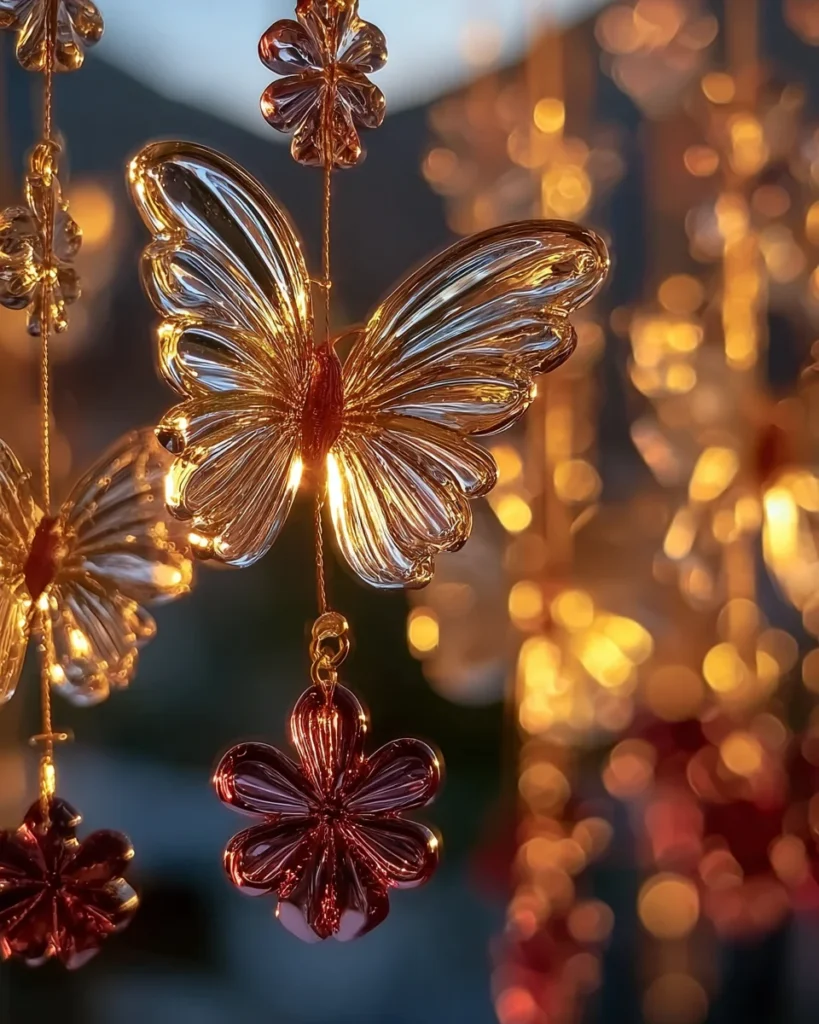
Ingredients for Bioplastic Suncatchers
Gathering the right ingredients is the first step to making vibrant bioplastic suncatchers. Here’s what you’ll need:
- Unflavored gelatin powder: This is the magic ingredient that holds everything together. It’s safe, easy to work with, and gives your suncatchers a flexible yet sturdy form.
- Boiling water: You use it to dissolve the gelatin powder. The heat is crucial for achieving that perfect jelly-like consistency.
- String or yarn: Essential for hanging your suncatchers later. You can choose a color that matches your design or go for a contrasting shade for an added pop!
- Natural pieces: Think colorful petals, leaves, and small twigs. These are the stars of your suncatchers. A mix of different colors and textures will add visual interest.
- Molds: Silicone cups or muffin tins work well! They’re flexible, making it easy to pop out the finished product without damaging it.
If you’d like to enhance your suncatchers, consider using dried flowers, as they retain their color better than fresh ones. Also, a tiny drop of food coloring can boost the vibrancy; just remember to use it sparingly. For exact measurements, check at the bottom of the article, where you’ll find everything neatly printed for you!
How to Make Bioplastic Suncatchers
Now that we’ve gathered our materials, let’s dive into the fun part: making our bioplastic suncatchers! This process is engaging, especially when sharing it with kids who thrive on hands-on activities. Let’s walk through it step-by-step:
Nature Walk
Collect Your Natural Materials
Before we start, it’s time for a nature walk! Gather colorful petals, vibrant leaves, and interesting twigs. Look for different shapes, colors, and textures. Mixing these elements makes your suncatchers visually appealing. They’ll shimmer beautifully in the sunlight, creating a stunning effect on your window. Plus, it’s a great excuse to get outside!
Design Your Suncatchers
Arranging Natural Items
Once back home, arrange your collected items in the molds. Layer flowers and twigs creatively! Think of spirals or a beautiful chaos of colors. The goal is to create a visually stunning design that will shine when the sun hits it. Remember, there’s no right or wrong way here, so let your creativity flow!
Make the Gelatin Mix
Mixing Instructions
Now, let’s prepare the gelatin mix. In a bowl, combine your unflavored gelatin with the boiling water. Stir until it completely dissolves, and you should see a clear, jelly-like mixture. This homogenous blend is what will hold your beautiful nature art together. It’s like a magical potion for your suncatchers!
Pour Into Molds
Avoid Air Bubbles
Carefully pour the gelatin mixture over your arranged natural items. Pour gently to avoid creating air bubbles, which can spoil the clarity of your end result. A slow pour gives you more control and ensures all items get coated with that beautiful gel. Think of it as giving your flowers a cozy, gelatinous blanket!
Add the Hanging String
Tips for Insertion
If you want to hang your suncatcher, now’s the time to add your string! Gently press a loop of string or yarn into the center of each mold while the gelatin is still warm. Make sure it’s secure but not too deep—this way it’ll hold well when it’s time to hang it up. It’s like the cherry on top of your art project!
Let Them Dry
Drying Times and Techniques
Patience is key at this stage! Leave the molds untouched at room temperature for 24 to 48 hours. This drying time allows the gelatin to firm up completely, ensuring your suncatchers are stable and durable. It’s a great opportunity to let your kids play or engage in other activities while waiting!
Unmold and Hang
Tips for Display
Once they’re dry, gently pop out your suncatchers from their molds. They become little gems that catch the sunlight! Hang them in bright windows or areas where they can bask in sunlight. This ensures your hard work brings joy, colorful reflections, and a delightful touch of nature to your home.
Tips for Success
- Collect materials early in the day when flowers are fresh and vibrant.
- Experiment with different leaves and flowers for unique colors and textures.
- Use a fine mesh strainer to remove any undissolved gelatin particles.
- Try adding tiny sprinkles of glitter for an extra shimmer!
- Store unused natural materials in a cool, dry place to preserve their color.
Equipment Needed
- Molds: Silicone cups or muffin tins work well, but you can also use plastic containers or ice cube trays.
- Bowl: Any mixing bowl will do—just make sure it’s heatproof.
- Spoon: Use a sturdy spoon or whisk for mixing the gelatin.
- Measuring tools: A tablespoon and a cup for accurate measurements.
Variations on Bioplastic Suncatchers
- Herbal Infusions: Use herbs like lavender or mint in your suncatchers for a fragrant experience. They add not only color but also a delightful aroma!
- Food Coloring: Enhance the visual appeal by adding food coloring to your gelatin mixture. Experiment with different shades to create a more vibrant outcome.
- Layered Textures: Incorporate various materials such as beads, ribbon, or shells along with natural items to create dimension and fun designs.
- Dried Citrus Slices: If you want a burst of color and zest, add thin slices of dried oranges or lemons to your molds for a sunny twist that stands out.
- Seasonal Themes: Tailor your suncatchers to reflect the seasons. Use rose petals for spring, colorful leaves for fall, or evergreens for winter to showcase nature’s beauty year-round.
Serving Suggestions for Bioplastic Suncatchers
- Hang your suncatchers in the kids’ playroom for a vibrant, cheerful atmosphere.
- Display them in a window garden alongside potted plants to create a nature-themed corner.
- Organize a mini art exhibit at home—showcase each child’s masterpiece to share the joy!
- Pair making suncatchers with a picnic outdoors to create lovely memories with family.
- Use the finished suncatchers as seasonal decorations for holidays or special events.
FAQs about Bioplastic Suncatchers
Can I use fresh flowers instead of dried ones?
Certainly! While fresh flowers add a vibrant touch to your bioplastic suncatchers, they may not hold their color as well as dried flowers. Dried petals often last longer and maintain their hue over time, making them a great choice for this project.
What’s the best way to store unused natural materials?
To preserve the color and freshness, store unused natural materials in a cool, dry place. You can also place them in resealable bags to reduce exposure to air, which helps maintain their vibrant beauty until your next crafting session!
How long do the suncatchers last?
When cared for properly, your bioplastic suncatchers can last a long time. Keep them out of direct sunlight for extended periods, as harsh light can fade their colors. Storing them indoors during harsh weather can also help maintain their beauty.
Are bioplastic suncatchers safe for kids?
Absolutely! Bioplastic suncatchers are safe for kids to make and display. The ingredients, like gelatin and natural materials, are non-toxic. Just be sure to supervise the younger ones while using boiling water during the gelatin preparation.
Can I mix in other colors with food coloring?
Yes! Mixing different food colorings can create stunning, unique shades for your gelatin mixture. Just remember to mix small amounts at a time, as too much can muddy the vibrant hues you’re aiming for in your suncatchers!
Final Thoughts
Creating bioplastic suncatchers has been such a joyous experience for me and my family. This project not only sparked our creativity but also provided a fantastic opportunity to bond over nature’s beauty. As we went on our nature walk, exploring colors and textures together, we created lasting memories. The joy of hanging our finished pieces and watching them catch the sunlight filled our home with warmth and happiness. I hope you and your loved ones find equal delight in this colorful activity, transforming simple natural materials into radiant art that brightens your day! Enjoy every moment of this creative journey!
Print
Bioplastic Suncatchers: Create Colorful Nature Art Today!
- Total Time: 24-48 hours
- Yield: Varies based on mold size
- Diet: Vegetarian
Description
Create beautiful, colorful nature art with bioplastic suncatchers using natural materials and gelatin.
Ingredients
- 1 tablespoon unflavored gelatin powder
- 4 tablespoons boiling water
- String or yarn
- Natural pieces (flowers, leaves, small twigs)
- Molds (like silicone cups or muffin tins)
Instructions
- Nature Walk: Collect colorful petals, leaves, and small twigs—look for a mix of textures and shapes.
- Design Your Suncatchers: Place the natural items into your molds. Arrange them however you like—create layers, spirals, or random bursts of color for an eye-catching effect.
- Make the Gelatin Mix: In a bowl, combine 1 part gelatin with 4 parts boiling water. Stir the mixture until the gelatin is completely dissolved and clear.
- Pour Into Molds: Carefully pour the gelatin mixture into each mold, ensuring it covers the natural pieces you’ve arranged. Try to avoid air bubbles by pouring gently.
- Add the Hanging String: If you plan to hang your suncatchers, press a loop of string or yarn into the center of each mold while the gelatin mixture is still warm.
- Let Them Dry: Leave the molds untouched at room temperature for 24 to 48 hours, allowing the gelatin to firm up and dry completely.
- Unmold and Hang: Once dry, gently pop out the suncatchers from the molds. Find a bright window to hang them in and enjoy the colorful glow
Notes
- Use dried flowers for longer-lasting color; they tend to hold their hue better than fresh botanicals.
- A tiny drop of food coloring can enhance the vibrance of your suncatchers—be careful not to add too much.
- Prep Time: 30 minutes
- Cook Time: 0 minutes
- Category: Crafts
- Method: DIY
- Cuisine: N/A
Nutrition
- Serving Size: N/A
- Calories: N/A
- Sugar: N/A
- Sodium: N/A
- Fat: N/A
- Saturated Fat: N/A
- Unsaturated Fat: N/A
- Trans Fat: N/A
- Carbohydrates: N/A
- Fiber: N/A
- Protein: N/A
- Cholesterol: N/A