
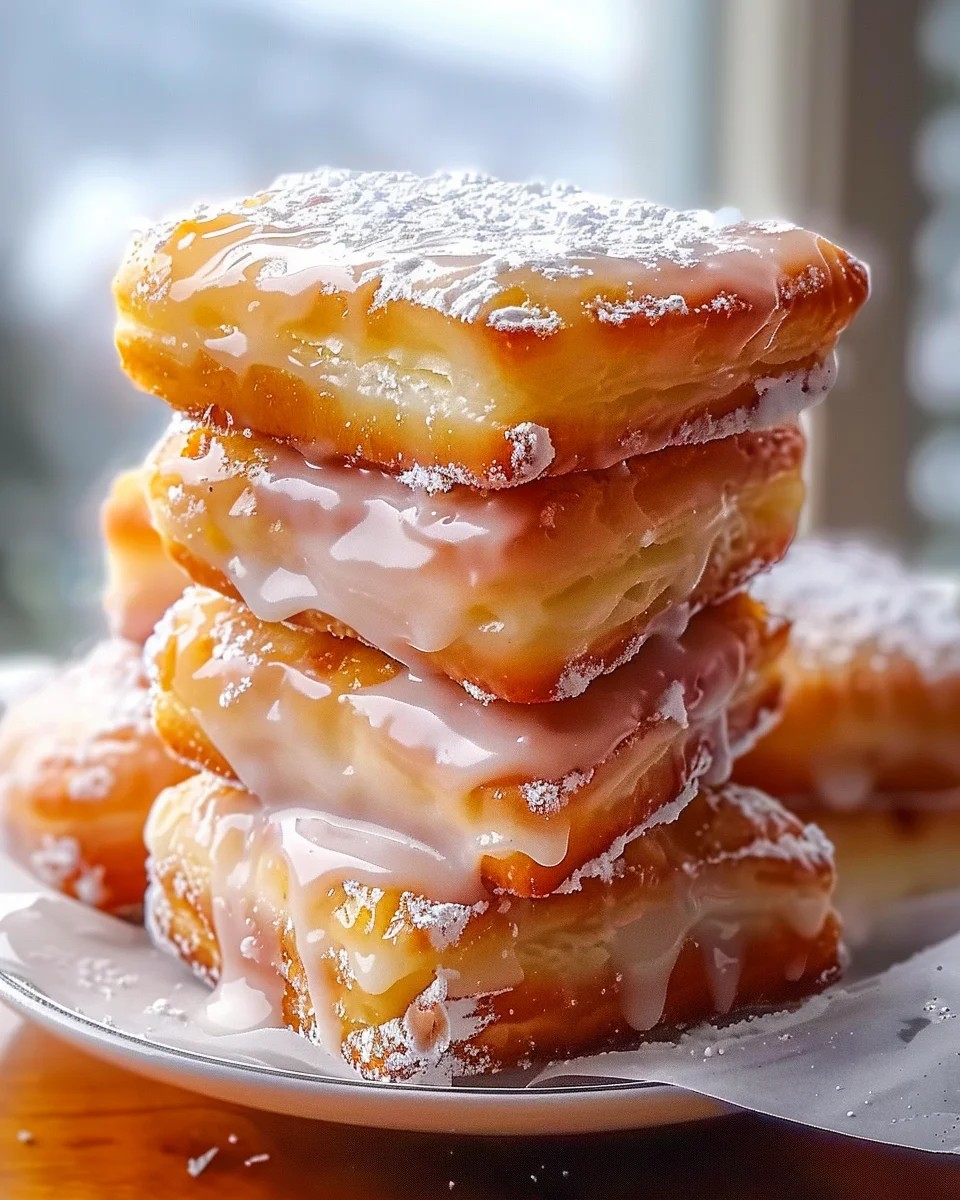
There’s something almost magical about biting into a freshly glazed beignet square. That first gentle crack of the vanilla glaze gives way to a warm, pillowy center that feels like a soft cloud wrapped in sweetness. If you’ve ever walked into a bakery early in the morning and caught the scent of fried dough mingling with vanilla and sugar, you already know the feeling. It’s comfort. It’s nostalgia. It’s pure indulgence.
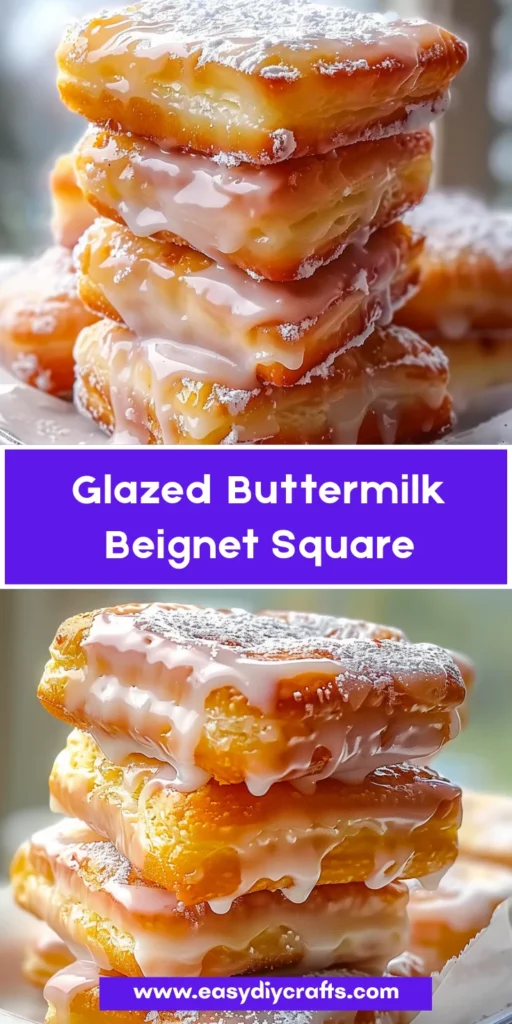
Glazed buttermilk beignet squares take the traditional round or pillow-shaped beignet and give it a bold, bakery-style upgrade. They’re thicker. More structured. Golden on the edges with a tender, airy crumb inside. And instead of a simple dusting of powdered sugar, they’re finished with a smooth vanilla glaze that sets into a delicate, shiny shell. Think classic donut shop glaze—but hugging a richer, softer interior.
What makes these beignets truly special is balance. The buttermilk adds a subtle tang that keeps the sweetness from becoming overwhelming. The yeast creates lift and lightness. The butter brings richness. Every ingredient has a role to play, like musicians in a small, delicious orchestra.
The best part? You don’t need a commercial kitchen to pull this off. With a bit of patience and attention to detail, you can create bakery-quality beignet squares right in your own home. And once you do, it’s hard to go back to store-bought.
Ready to transform your kitchen into your favorite neighborhood bakery? Let’s break it down step by step.
What Makes Beignet Squares Different from Classic Beignets?
At first glance, you might wonder: aren’t beignets already square sometimes? Yes—but glazed buttermilk beignet squares bring something slightly different to the table. They aren’t just shaped differently; they’re designed differently.
Traditional New Orleans-style beignets are typically light, airy pillows dusted generously with powdered sugar. They’re delicate and often thinner, with a crisp outer layer and a hollow or airy interior. They’re fantastic—but they’re not quite the same as these thick, bakery-style squares.
The Shape and Structure
The square shape isn’t just for aesthetics. Rolling the dough to about half an inch thick gives these beignets structure and substance. When fried, they puff beautifully while still maintaining a hearty, satisfying bite. Instead of collapsing or feeling too airy, they hold their form.
That thickness means you get:
- A soft, bread-like interior
- Crisp golden edges
- A sturdy base for glaze
It’s almost like the love child of a classic beignet and a yeast-raised donut.
Texture and Thickness
Texture is where these truly shine. Thanks to buttermilk and proper yeast fermentation, the inside is incredibly tender—soft without being doughy, airy without being hollow. When you press one gently between your fingers, it springs back. That’s how you know the crumb is just right.
And then there’s the glaze. Powdered sugar dusting disappears the moment steam rises from a hot beignet. But a vanilla glaze? That sets. It forms a thin, shiny shell that crackles slightly when you bite into it. That contrast between smooth glaze and fluffy interior is what elevates this recipe from simple to unforgettable.
So while classic beignets are delicate and powdered, glazed buttermilk beignet squares are bold, structured, and bakery-worthy. They’re the kind of treat that looks impressive stacked on a platter and tastes even better than they look.
Why Buttermilk Is the Secret to Pillowy Perfection
If there’s one ingredient doing quiet but powerful work in this recipe, it’s buttermilk. It might seem simple—just cultured milk—but in yeast dough, it’s transformative.
Buttermilk isn’t just about flavor. It’s about chemistry.
The Science Behind Buttermilk in Dough
Buttermilk contains natural acidity. That acidity tenderizes gluten, which means your dough develops structure without becoming tough. Think of gluten like a net that traps air bubbles created by yeast. If the net is too tight, your dough becomes chewy. If it’s too loose, it collapses. Buttermilk helps create the perfect balance.
It also reacts beautifully with yeast. While yeast feeds primarily on sugars, the environment created by buttermilk supports balanced fermentation. The result? A steady rise and a beautifully even crumb.
Warm—but not hot—buttermilk is crucial. Too hot, and you risk killing the yeast. Too cold, and fermentation slows down. Aim for gently warm, about the temperature of bath water. When mixed with sugar and yeast, it should become foamy within minutes. That foam is your green light.
Flavor Depth and Tender Crumb
Flavor-wise, buttermilk adds a subtle tang that makes these beignet squares taste more complex. Without it, the dough could feel flat or overly sweet. With it, the sweetness of the glaze becomes balanced and layered.
The crumb also turns incredibly soft. Not cake-like. Not bread-heavy. Just tender and pillowy. It’s the kind of texture that makes you close your eyes for a second after the first bite.
In short, buttermilk is the quiet hero of this recipe. It works behind the scenes, shaping texture, flavor, and structure—all without stealing the spotlight.
Understanding Yeast: The Key to Light and Airy Beignets
If buttermilk is the quiet hero of this recipe, yeast is the engine that powers everything. Without it, you’d simply have fried dough—dense, flat, and lifeless. With it? You get airy, golden squares that puff beautifully in hot oil and feel almost weightless in your hand.
Yeast is alive. It feeds on sugar and releases carbon dioxide, which creates those tiny air pockets that make beignets soft and fluffy. But here’s the thing: yeast needs the right conditions to thrive. Too hot, and you kill it. Too cold, and it barely wakes up. Too much salt too soon? It slows down dramatically.
That’s why the first step—mixing warm buttermilk, sugar, and yeast—is so important. When you let that mixture rest for 5–8 minutes, you’re giving yeast time to activate. It should look foamy and slightly bubbly on top. Think of it as proof that your yeast is alive and ready to work.
Activating Yeast Properly
To activate yeast successfully:
- Make sure your buttermilk is warm, not hot (around 100–110°F).
- Stir in sugar to give the yeast immediate food.
- Let it sit undisturbed.
If nothing happens—no foam, no bubbles—your yeast may be expired. And trust me, there’s no rescuing that. It’s better to start fresh than hope for a miracle.
Signs of Perfect Fermentation
During the first rise, your dough should double in size. This typically takes 1 to 1½ hours, depending on your kitchen’s temperature. You’ll know it’s ready when:
- The dough looks puffy and airy.
- A gentle finger press leaves a slight indentation.
- It feels soft but elastic.
That rise isn’t just about volume—it’s about flavor. Slow fermentation develops subtle complexity in the dough. It transforms simple ingredients into something that tastes like it came from a bakery that’s been perfecting the recipe for decades.
Yeast isn’t complicated—but it demands respect. Treat it well, and it rewards you with the fluffiest beignet squares imaginable.
Breaking Down the Ingredients
At first glance, the ingredient list is simple. Flour, sugar, egg, butter, yeast, buttermilk. Nothing fancy. But simplicity is deceptive. Each ingredient plays a very specific role, and when they work together, magic happens.
Let’s break it down.
Flour and Structure
All-purpose flour provides the framework. It’s what gives the dough body and strength. Too little flour, and the dough becomes sticky and hard to shape. Too much, and you risk heavy, dry beignets.
When mixing, aim for a dough that’s soft but not tacky. It should pull away from the bowl but still feel supple. Kneading for 8–10 minutes helps develop gluten—the network that traps air bubbles from yeast. That’s what gives your beignets their structure without turning them tough.
Sugar and Sweetness Balance
Sugar does more than sweeten the dough. It:
- Feeds the yeast.
- Helps create golden color during frying.
- Adds moisture.
But notice the amount—it’s moderate. That’s intentional. The glaze will provide most of the sweetness, so the dough itself remains balanced rather than sugary.
Butter and Richness
Melted unsalted butter adds richness and softness. Fat coats flour proteins, limiting excessive gluten development. That’s another reason these beignet squares stay tender instead of chewy.
Butter also enhances flavor. It gives the dough that subtle bakery aroma that makes your kitchen smell irresistible.
Eggs and Stability
The egg adds structure and moisture. It helps bind everything together while contributing to a richer texture. Without it, the dough would feel slightly less cohesive and a bit less luxurious.
When you step back and look at it, this isn’t just a list of ingredients. It’s a carefully balanced formula. Remove one piece, and the whole structure shifts. Keep them in harmony, and you get bakery-level results.
Step-by-Step Dough Preparation for Soft Beignet Squares
Making the dough isn’t complicated—but it does require attention. Think of it like building a foundation. If the base is right, everything else falls into place.
After activating your yeast, add the egg and melted butter. Mix gently. You’re combining wet ingredients before introducing flour, which helps create an even, cohesive dough.
Next comes the flour and salt. Add them gradually. This isn’t a dump-and-mix situation. Stir slowly at first, allowing the flour to hydrate. Once the dough begins to form, switch to kneading.
Kneading is where transformation happens. At first, the dough may look shaggy and uneven. Keep going. After a few minutes, it becomes smooth and elastic. Soft but not sticky. If it clings heavily to your hands, add a tablespoon of flour at a time—but don’t overdo it.
A properly kneaded dough should:
- Stretch without tearing immediately.
- Feel slightly tacky but manageable.
- Bounce back when pressed.
This stage usually takes 8–10 minutes by hand. It’s physical, yes—but there’s something satisfying about feeling the dough change under your palms.
Once smooth, place it in a lightly greased bowl and cover it. Now comes the waiting. And while waiting might feel passive, it’s actually when most of the magic happens.
The Art of Proper Dough Rising
Dough rising isn’t just about time—it’s about environment. Yeast loves warmth and hates drafts. If your kitchen is chilly, the rise will be slow. If it’s cozy, things move faster.
Ideal Temperature
The sweet spot for rising is around 75–85°F. Too cold? The dough takes forever. Too hot? You risk over-proofing, which can cause collapse later.
If your kitchen runs cool, here’s a simple trick: turn your oven on for 1 minute, then turn it off. Place the covered bowl inside with the door slightly ajar. You’ve just created a warm proofing chamber.
Timing and Visual Cues
After about 1–1½ hours, the dough should double in size. But don’t rely on the clock alone. Look for visual signs:
- Noticeable expansion.
- Surface bubbles.
- Soft, airy feel.
Press your finger gently into the dough. If the indentation slowly springs back but remains slightly visible, it’s ready.
Rushing this step results in dense beignets. Letting it rise fully ensures they puff beautifully in the oil.
Patience here pays off big time.
Rolling and Cutting for Thick, Bakery-Style Squares
Once risen, gently punch down the dough to release excess gas. Don’t aggressively deflate it—you want to keep some air inside.
Lightly flour your surface and roll the dough to about ½-inch thickness. This thickness is what gives these beignet squares their signature bakery-style presence. Too thin, and they’ll crisp too much. Too thick, and the centers may undercook.
Using a sharp knife or bench scraper, cut neat squares. Precision isn’t just about aesthetics—it helps ensure even frying.
Let the cut squares rest for about 10 minutes before frying. This brief rest relaxes the gluten and allows a slight secondary puff. It’s a small step that makes a noticeable difference in texture.
At this stage, they already look promising. But the real transformation happens in the oil.
Mastering the Frying Process
Frying can feel intimidating—but it’s all about temperature control.
Choosing the Right Oil
Use a neutral oil like vegetable or canola. These oils have high smoke points and won’t overpower the flavor.
Maintaining the Perfect Temperature
Heat the oil to 340–350°F (170–175°C). This range is crucial. Too low, and the beignets absorb oil and become greasy. Too high, and they brown too quickly while staying raw inside.
A thermometer is your best friend here.
Frying in Batches
Don’t overcrowd the pot. Fry in small batches so the oil temperature stays steady. Each square needs space to puff and float.
Fry for 2–3 minutes per side, flipping once. They should turn evenly golden and visibly expand.
When done, transfer to a wire rack—not paper towels. Paper traps steam and softens the exterior. A rack keeps them crisp and ready for glaze.
Avoiding Common Frying Mistakes
Frying can either elevate your beignet squares to bakery-level perfection—or quietly sabotage all your hard work. The difference often comes down to a few small but crucial details. If you’ve ever ended up with greasy, overly dark, or doughy-centered pastries, you’re not alone. Let’s make sure that doesn’t happen here.
One of the most common mistakes? Ignoring oil temperature. Oil that’s too cool (below 340°F) causes the dough to sit and soak before it properly fries. The result is heavy, oil-laden beignets that feel greasy to the touch. On the flip side, oil that’s too hot browns the outside too quickly, leaving the inside undercooked. Always monitor the temperature between batches—oil drops quickly when dough is added.
Another frequent issue is overcrowding the pot. It’s tempting to fry everything at once, especially when the kitchen smells amazing. But too many pieces lower the oil temperature drastically and prevent even cooking. Give each square breathing room.
Flipping too early is another subtle mistake. Let the first side develop a golden crust before turning. If you flip too soon, they may deflate or cook unevenly.
And finally, avoid draining on paper towels. It seems logical, but paper traps steam and softens that lightly crisp exterior. A wire rack keeps the outside delicate and ready to hold glaze beautifully.
Small adjustments make a big difference. Treat frying like a balancing act—steady heat, patience, and space—and your beignet squares will reward you with perfect golden edges and fluffy interiors every single time.
Creating the Perfect Vanilla Glaze
The glaze isn’t just decoration—it’s the crown jewel. It transforms these beignet squares from simple fried dough into something that looks and tastes like it came straight from a boutique bakery display.
At its core, the glaze is simple: powdered sugar, milk or cream, vanilla extract, and a pinch of salt. But simplicity demands precision.
Start with sifted powdered sugar. Lumps are the enemy of a smooth glaze. Add milk gradually—one tablespoon at a time—whisking continuously. You’re aiming for a consistency that’s thick yet pourable. It should ribbon off your spoon slowly, not run like water and not sit stiff like frosting.
Vanilla extract provides warmth and aroma. Use pure vanilla if possible; it makes a noticeable difference. The pinch of salt might seem minor, but it sharpens the sweetness and prevents the glaze from tasting flat.
Achieving the Ideal Consistency
The perfect glaze should:
- Coat the back of a spoon evenly
- Flow slowly but smoothly
- Set within 5–10 minutes
Too thin? Add more powdered sugar. Too thick? A splash of milk fixes it instantly.
Flavor Enhancements
Want to elevate it slightly? Try:
- A drop of almond extract for depth
- A hint of maple for warmth
- A tiny squeeze of lemon juice for brightness
The key is subtlety. The glaze should complement, not overpower, the buttermilk dough beneath it.
When done right, it forms a glossy shell that cracks gently with each bite—a sweet contrast to the pillowy interior.
Glazing Techniques for a Shiny, Sugary Shell
Timing is everything when glazing. The beignets should still be warm—but not piping hot. If they’re too hot, the glaze melts and slides off. If they’re too cool, the glaze won’t spread smoothly.
There are two main glazing methods:
1. The Dip Method
Hold the beignet upside down and dip just the top into the glaze. Lift and allow excess to drip off. Place on a rack to set.
This creates a smooth, even finish that looks professional and polished.
2. The Spoon-Over Method
Use a spoon to pour glaze over the top only, allowing it to gently cascade down the sides. This method gives a slightly rustic, homemade look with beautiful drips.
Whichever method you choose, let the glaze set for 5–10 minutes. During this time, it transforms from glossy liquid to a delicate sugary shell.
Avoid stacking until fully set. Otherwise, you’ll lose that pristine finish.
The result? A beignet square with a shiny top, golden edges peeking out from beneath, and a soft interior waiting inside. It’s visually irresistible—and even better once you take a bite.
Tips for That Nostalgic Bakery Flavor
Ever wonder why bakery treats taste different—even when you use similar ingredients at home? It often comes down to technique and small details.
First, don’t rush fermentation. Slow rising develops deeper flavor. If you have time, you can even refrigerate the dough overnight after the first rise. Cold fermentation enhances complexity and gives you an even richer taste.
Second, use high-quality vanilla. Aroma plays a huge role in flavor perception. When those warm, sweet notes hit your senses, your brain registers “bakery.”
Third, fry fresh. Beignets are at their absolute best within hours of frying. That contrast between warm dough and set glaze creates the nostalgic magic most people associate with donut shops.
Also, don’t skip the salt in both dough and glaze. Sweetness without salt feels one-dimensional. Salt balances and amplifies flavor, making everything taste fuller.
Finally, enjoy them warm. There’s something about holding a freshly glazed beignet square with a cup of coffee or hot cocoa that feels like stepping into a memory—even if you’re creating it for the first time.
Serving Suggestions and Pairings
Glazed buttermilk beignet squares are versatile. They shine on their own, but pairings elevate the experience.
For breakfast or brunch:
- Serve alongside freshly brewed coffee
- Pair with a latte or cappuccino
- Add fresh berries for contrast
For dessert:
- Plate with vanilla ice cream
- Drizzle with warm caramel sauce
- Add a sprinkle of toasted nuts
They’re also perfect for gatherings. Stack them on a cake stand for a bakery-style presentation. The square shape makes them easy to arrange neatly.
Want to make it extra special? Serve warm with flavored whipped cream or a light dusting of cinnamon.
No matter how you serve them, they bring comfort. They’re the kind of treat people reach for first—and ask about immediately.
Storage, Reheating, and Make-Ahead Tips
Beignets are best fresh, but you can store leftovers in an airtight container at room temperature for up to 2 days.
To reheat:
- Warm briefly in the microwave (8–10 seconds)
- Or place in a 300°F oven for a few minutes
Keep in mind: reheating may slightly soften the glaze. If presentation matters, you can always add a fresh drizzle before serving.
For make-ahead convenience, prepare the dough and refrigerate overnight after the first rise. The next day, let it come to room temperature, roll, cut, and fry.
This approach not only saves time but enhances flavor.
Variations and Flavor Twists
Once you master the base recipe, creativity opens up.
Try:
- Chocolate Glaze – Add cocoa powder to the glaze
- Maple Glaze – Replace vanilla with maple extract
- Cinnamon Sugar Coating – Skip glaze and toss warm squares in cinnamon sugar
- Filled Beignet Squares – Pipe pastry cream or jam inside
You can even experiment with citrus zest in the dough for brightness.
The structure of these beignet squares makes them adaptable. They’re sturdy enough to handle different toppings while staying soft and tender inside.
Why Homemade Beignet Squares Are Worth the Effort
Yes, they take time. Yes, there’s frying involved. But the payoff? Completely worth it.
Homemade beignet squares give you control over flavor, texture, and freshness. You decide how thick, how golden, how sweet. And there’s something deeply satisfying about pulling off bakery-quality results in your own kitchen.
The aroma alone—warm dough, vanilla, sugar—transforms your home. It feels cozy. Inviting. Almost celebratory.
And when someone takes a bite and says, “You made these?”—that moment makes every step worthwhile.
Conclusion
Glazed buttermilk beignet squares are more than just fried dough with icing. They’re a perfect balance of soft, airy interior and delicate sugary shell. From activating yeast properly to mastering frying temperature and achieving the ideal glaze consistency, every step builds toward that bakery-style finish.
With patience, attention to detail, and a little love, you can recreate that nostalgic coffee-shop magic right at home. Thick, golden, pillowy, and perfectly glazed—these beignet squares aren’t just a treat. They’re an experience.
FAQs
1. Can I bake these instead of frying?
Frying gives the classic texture and golden exterior. Baking will change the texture significantly and won’t create the same airy interior.
2. Why didn’t my beignets puff up?
Common causes include inactive yeast, under-proofed dough, or oil that wasn’t hot enough.
3. Can I freeze the dough?
Yes. After the first rise, freeze tightly wrapped dough. Thaw in the refrigerator overnight before rolling and frying.
4. How do I prevent greasy beignets?
Maintain oil temperature between 340–350°F and avoid overcrowding the pot.
5. Can I make the glaze thicker?
Absolutely. Add more powdered sugar gradually until you reach your desired consistency.