
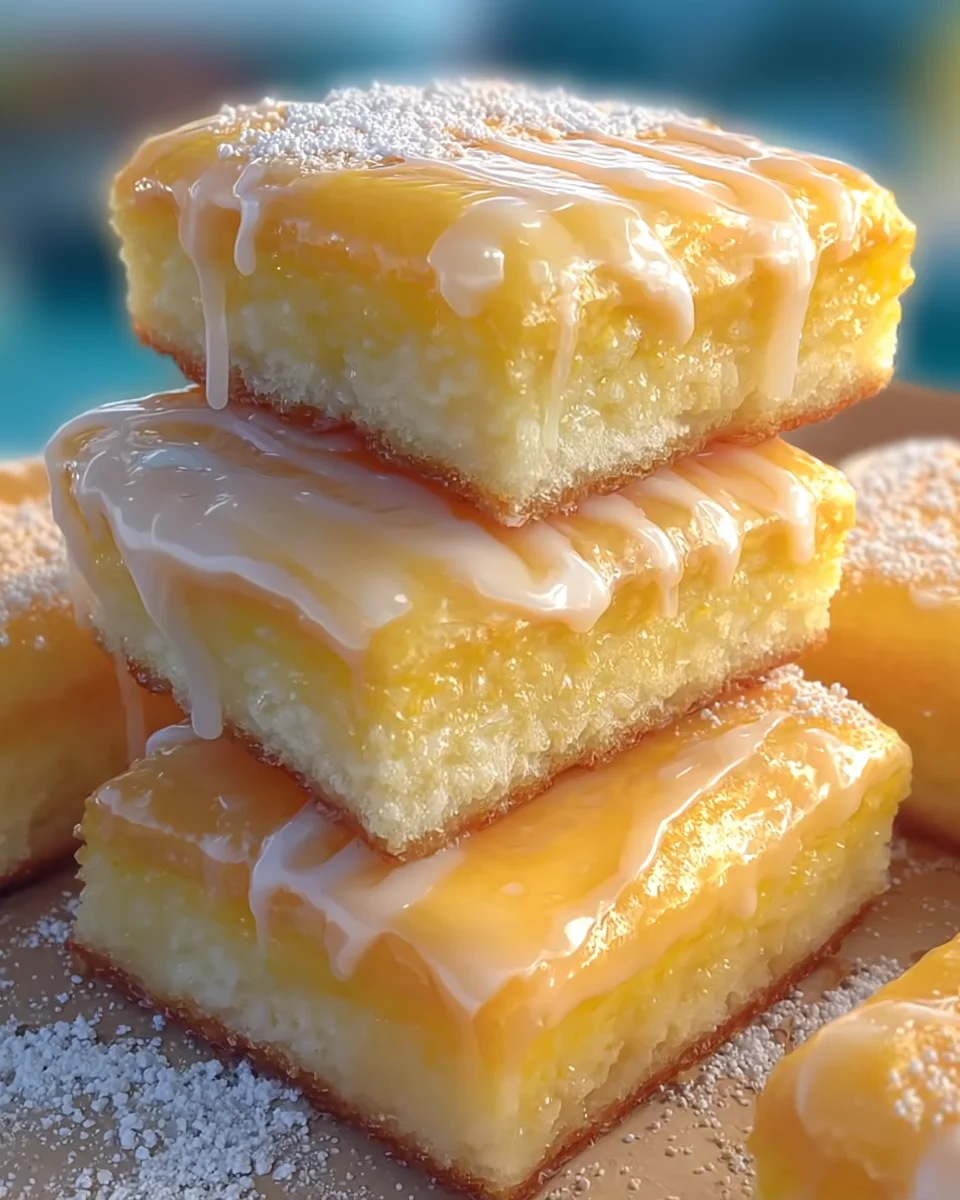
Sensory-Rich Introduction with Immediate Craving
Imagine sinking your teeth into a tender, fluffy beignet square, its golden crust giving way to a luscious interior, followed by a smooth vanilla glaze that brings warmth to your soul. This dessert is not just a treat—it’s an experience. The first time I made glazed buttermilk beignet squares, I was celebrating a cozy gathering with friends; watching their eyes light up with delight as they took that first bite was an unforgettable moment. These beignet squares are perfect for brunch celebrations, family gatherings, or simply a treat to indulge in on a lazy Sunday morning. Their inviting aroma and mouthwatering flavor will have everyone returning for seconds, creating sweet memories and delicious connections.
Why You’ll Love This Glazed Buttermilk Beignet Squares
- Texture Contrast: Crispy on the outside and pillowy soft on the inside, each bite delivers a satisfying contrast that feels indulgent and comforting.
- Flavor Balance: The slight tanginess of buttermilk enhances the sweetness of the glaze, creating a perfectly balanced flavor profile that dances on the palate.
- Versatility: These beignet squares can serve as a delightful dessert or an extravagant breakfast treat, allowing for versatility across meals.
- Ease of Preparation: With a straightforward dough-making process and simple frying technique, these squares are accessible for both novice and experienced bakers.
- Universal Appeal: Loved by both adults and children alike, these treats are suitable for various occasions, making them a favorite for everyone.
Essential Tools & Preparation Strategy
- Mixing Bowl: A large bowl for combining ingredients, preferably glass or stainless steel for easy cleaning.
- Whisk: To aerate and blend the ingredients thoroughly, ensuring a smooth dough.
- Rolling Pin: For rolling out the dough to the perfect thickness without tearing.
- Pastry Cutter or Knife: To create even squares, ensuring uniform cooking and presentation.
- Deep Fry Thermometer: Essential for monitoring oil temperature (a crucial factor for perfectly fried squares).
- Slotted Spoon or Spider Strainer: To carefully remove the beignets from oil without losing their shape.
- Cooling Rack: Prevents sogginess post-frying and helps keep the glaze perfectly smooth.
- Glazing Bowl: A separate bowl for mixing the glaze, allowing for easy dipping.
Preparation Tip: Organize your workspace by gathering all tools and ingredients before starting. This will streamline the cooking process and minimize any last-minute stress.
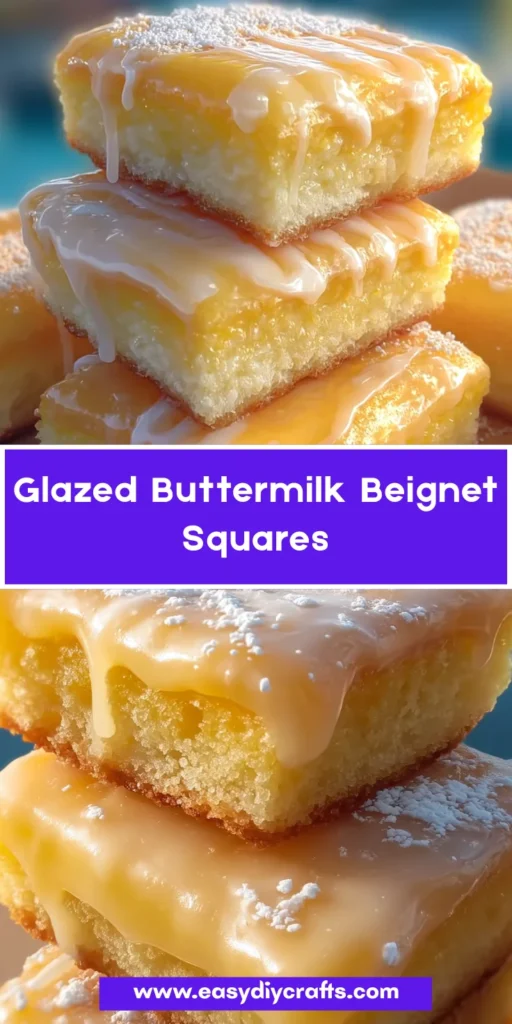
Ingredients & Their Roles in This Glazed Buttermilk Beignet Squares
Dough Ingredients
- Warm Buttermilk (¾ cup): Activates yeast and provides moisture.
- Active Dry Yeast (2¼ teaspoons): Creates air bubbles for a light and airy texture.
- Granulated Sugar (¼ cup): Sweetens the dough and feeds the yeast for better rising.
- Egg (1 large): Adds richness and aids in binding the ingredients.
- Unsalted Butter (¼ cup, melted): Contributes flavor and tender texture.
- All-Purpose Flour (3¼ cups): Main structure, providing the necessary gluten for the beignet squares.
- Salt (¾ teaspoon): Enhances flavor and balances sweetness.
Glaze Ingredients
- Powdered Sugar (2 cups): Forms the base of the glaze for added sweetness and smooth texture.
- Milk or Cream (3–4 tablespoons): Adjusts the thickness for the desired glaze consistency.
- Vanilla Extract (1 teaspoon): Infuses flavor, enhancing that warm, comforting experience.
- Pinch of Salt: Balances and elevates the sweetness in the glaze.
Substitutions: Non-dairy versions of milk can be used for a vegan glaze, and alternative sweeteners can replace sugar for tailored dietary needs.
Step-by-Step Guide to Perfect Glazed Buttermilk Beignet Squares
- Activate the Yeast: In a large bowl, whisk warm buttermilk, yeast, and sugar; let it sit until foamy (5–8 minutes) for optimal aeration.
- Combine Ingredients: Add the egg and melted butter into the yeast mixture, stirring until well-blended.
- Mix the Dough: Gradually add flour and salt, stirring until a soft and smooth dough forms (it should not be sticky).
- Let It Rise: Cover the dough and let it rise in a warm place until doubled in volume (approximately 1–1½ hours).
- Shape the Beignets: Roll the dough out to ½-inch thickness and cut into neat squares for uniform frying.
- Heat the Oil: In a deep pot, heat oil to 340–350°F (170–175°C) for ideal frying conditions.
- Fry the Squares: Carefully fry squares for 2–3 minutes per side, until golden brown; drain briefly on a cooling rack.
- Glaze While Warm: Whisk together the glaze ingredients until smooth; dip the tops of warm beignets or spoon glaze over them. Allow glaze to set for 5–10 minutes.
Chef’s Notes & Pro Tips for Flawless Results
- Make-Ahead Instructions: The dough can be prepared the night before, placed in the refrigerator overnight, and brought to room temperature before frying.
- Storage: Store leftover beignets in an airtight container for up to two days; the glaze may soften slightly.
- Equipment Recommendations: A deep-fry thermometer ensures you maintain the correct frying temperature, which is crucial for even cooking.
- Customization Options: Amp up flavor by adding cinnamon or nutmeg to the dough or experimenting with flavored glazes, like chocolate or maple!
Avoid These Common Cooking Mistakes
- Using Hot Buttermilk: Can kill the yeast, preventing the dough from rising. Make sure buttermilk is warm, around 110°F (43°C).
- Under- or Over-proofing Dough: Monitoring the rise is key; dough should double without collapsing.
- Too Much Flour: This leads to dry dough; add flour gradually until a soft, non-sticky texture is achieved.
- Inaccurate Oil Temperature: Oil that’s too hot causes burnt exteriors; too cool causes greasy beignets. Use a thermometer for accuracy.
- Skipping the Cooling Rack: Draining on paper towels can make the glaze soggy; use a rack for the best finish.
- Making Glaze Too Thin: A thin glaze will not hold up well; ensure it’s thick enough to set properly.
- Lack of Vanilla in Glaze: The vanilla enhances flavor significantly; don’t skip this step!
- Not Sampling: Always taste a beignet to check for seasoning and texture—you can adjust if necessary!
Creative Variations & Customizations
- Cinnamon Sugar Beignet Squares: Toss fried squares in a mixture of sugar and cinnamon after frying for a delightful twist.
- Chocolate Drizzle: Drizzle melted chocolate over the glaze for a rich flavor enhancement.
- Fruit-Infused Glaze: Substitute some milk with fruit puree for a seasonal touch—think raspberry or orange zest.
- Savory Beignet Squares: For a unique twist, incorporate herbs like rosemary or cheese into the dough for a savory version.
- Mini Beignet Bites: Cut the dough into smaller pieces for bite-sized treats, perfect for parties and gatherings.
Perfect Pairings: What to Serve With Glazed Buttermilk Beignet Squares
- Fresh Fruits: Serve with a side of mixed berries or sliced apples for a refreshing contrast.
- Coffee or Espresso: Accentuates the flavors while providing a delightful pick-me-up.
- Homemade Whipped Cream: Adds a creamy touch that complements the glaze beautifully.
- Chocolate Milk: A nostalgic pairing that makes for a comforting treat, especially for kids.
- Iced Tea: The sweet cinnamon notes balance the tea’s refreshing qualities.
- Vanilla Ice Cream: Warm beignets with a scoop of ice cream create a delectable dessert experience.
- Maple Syrup: For a breakfast twist, serve alongside pure maple syrup for dipping.
- Nutella: Offer as a decadent spread option for chocolate lovers.
Storage & Meal Prep Instructions
- Fridge Storage: Keep glazed beignets in an airtight container at room temperature for up to 2 days. For best flavor, consume fresh.
- Freezer Storage: Freeze unglazed beignets in a single layer; once solid, transfer to a freezer bag for up to 2 months. Reheat by frying straight from the freezer.
- Reheating: Warm in a low oven at 300°F (150°C) until heated through, then glaze as desired.
Nutrition Facts & Health Insights
| Serving Size: 1 Beignet Square | Calories | Sugar | Sodium | Fat | Saturated Fat | Carbohydrates | Protein | Cholesterol |
|---|---|---|---|---|---|---|---|---|
| 150 | 12g | 120mg | 7g | 4g | 18g | 2g | 24mg |
Key Ingredients Health Insights:
- Buttermilk: Offers probiotics and enhances digestion.
- Eggs: Packed with protein and essential nutrients contributing to overall health.
Frequently Asked Questions
- Can I use non-dairy milk for the glaze?: Yes, non-dairy alternatives can be used in place of milk or cream.
- What can I substitute for buttermilk?: A mix of regular milk with a tablespoon of vinegar or lemon juice can mimic buttermilk.
- How do you fix dough that’s too sticky?: Gradually add more flour while kneading until you reach the desired texture.
- Is it possible to make these in an air fryer?: While air frying can work, the texture will differ from traditional deep frying.
- What type of oil is best for frying?: Neutral oils like vegetable or canola work best due to their high smoke points.
- Can I prepare the dough ahead of time?: Yes, letting the dough rise in the fridge overnight is a great time-saver.
- How should I heat the beignets after freezing?: Fry them directly from frozen for best results.
- What’s the best way to store leftover glaze?: Seal any unused glaze in a jar and refrigerate; it can last up to a week.
Final Inspiration & Kitchen Confidence
Don’t let the idea of making glazed buttermilk beignet squares intimidate you! With their rich flavors and delightful textures, your efforts will surely impress family and friends. Remember, each attempt in the kitchen is a step forward in building your culinary confidence. Celebrate the little victories: the perfect rise of the dough, the golden brown edges of fried squares, and, of course, the smiles as you share your delicious creations. Now, let’s get cooking—your beignet masterpiece awaits!
Print
Glazed Buttermilk Beignet Squares
- Total Time: ~2 hours 15 minutes
- Yield: 16–18 glazed squares 1x
- Diet: Vegetarian
Description
Delicious and tender glazed buttermilk beignet squares with a crispy exterior and smooth vanilla glaze.
Ingredients
- ¾ cup warm buttermilk (not hot)
- 2¼ teaspoons active dry yeast
- ¼ cup granulated sugar
- 1 large egg
- ¼ cup unsalted butter, melted
- 3¼ cups all-purpose flour
- ¾ teaspoon salt
- Neutral oil (for frying)
- 2 cups powdered sugar (for glaze)
- 3–4 tablespoons milk or cream (for glaze)
- 1 teaspoon vanilla extract (for glaze)
- Pinch of salt (for glaze)
Instructions
- In a large bowl, whisk warm buttermilk, yeast, and sugar. Let sit until foamy (5–8 minutes).
- Add egg and melted butter. Mix in flour and salt until a soft, smooth dough forms (not sticky).
- Cover and let rise in a warm place until doubled (1–1½ hours).
- Roll dough to ½-inch thickness (thicker than classic beignets). Cut into neat squares.
- Heat oil to 340–350°F (170–175°C). Fry squares 2–3 minutes per side until evenly golden. Drain briefly on a rack (not paper towels — keeps glaze smooth).
- Whisk glaze ingredients until smooth and pourable but thick. While pastries are still warm, dip the tops only or spoon glaze over. Let glaze set 5–10 minutes.
Notes
- Ensure the buttermilk is warm, not hot, to activate the yeast.
- Do not skip on draining the beignets on a rack for a smooth glaze.
- Keep an eye on the frying temperature for best results.
- Prep Time: 25 minutes
- Cook Time: 20 minutes
- Category: Dessert
- Method: Frying
- Cuisine: French
Nutrition
- Serving Size: 1 beignet square
- Calories: approximately 150
- Sugar: 12g
- Sodium: 120mg
- Fat: 7g
- Saturated Fat: 4g
- Unsaturated Fat: 2g
- Trans Fat: 0g
- Carbohydrates: 18g
- Fiber: 0g
- Protein: 2g
- Cholesterol: 24mg