
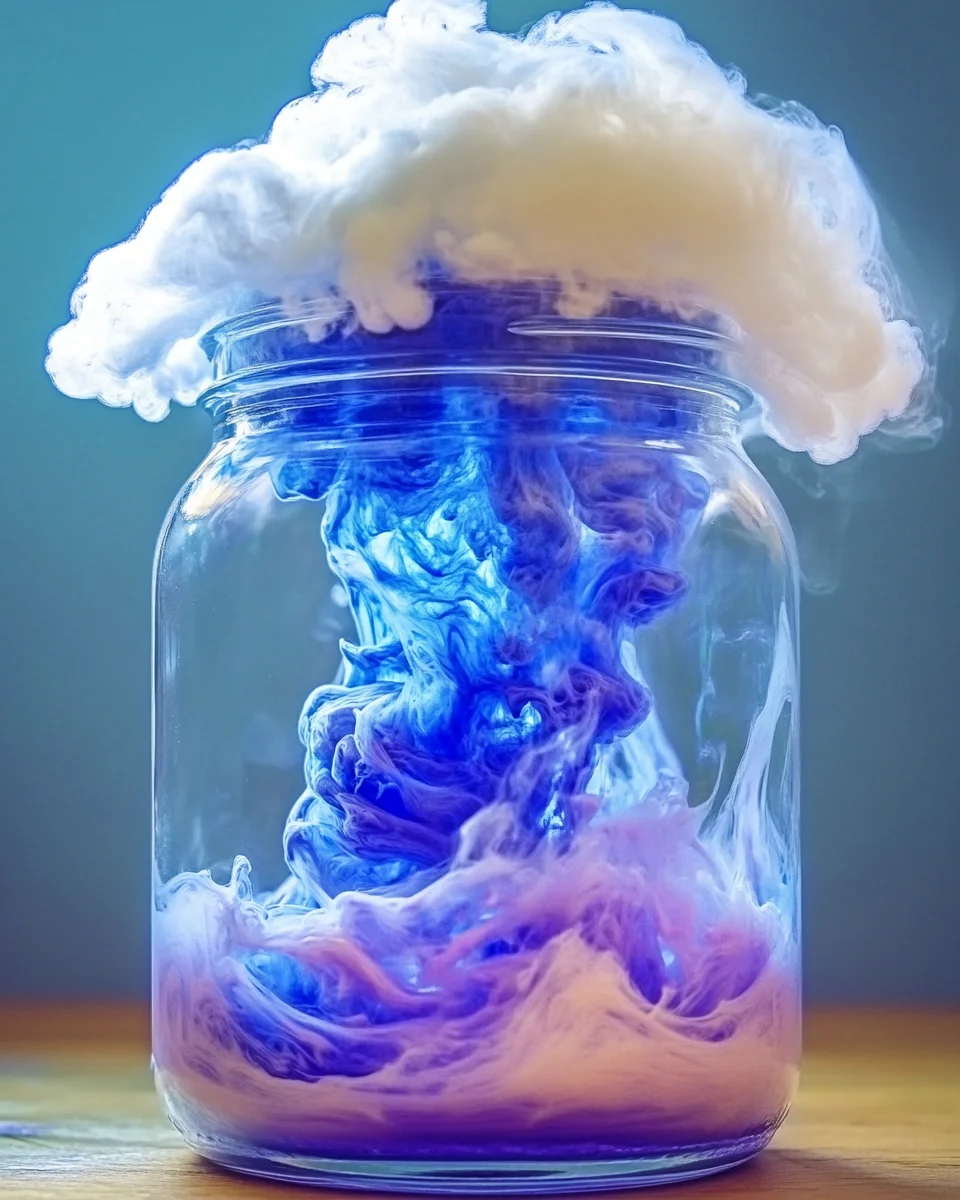
Introduction to Simple Cloud Experiments
As a busy mom, I know how challenging it can be to keep the little ones engaged and learning, especially on hectic days. That’s why I love Simple Cloud Experiments! This delightful activity not only captures their imagination but also brings science to life right in your kitchen. Creating clouds and rain in a jar is easy, quick, and perfect for curious minds. Plus, it’s a wonderful way to bond with your kids while teaching them about weather phenomena. Grab some household items and let’s make some magic together!
Why You’ll Love This Simple Cloud Experiments
You’ll adore Simple Cloud Experiments not just for its charm, but for how effortlessly it comes together. In just 10 minutes, your kids can create their very own weather system with minimal fuss! This hands-on project not only sparks creativity but also deepens their understanding of science. Plus, it’s the perfect antidote to the “I’m bored!” mantra that often fills the house. Who knew learning could be this much fun?
Ingredients for Simple Cloud Experiments
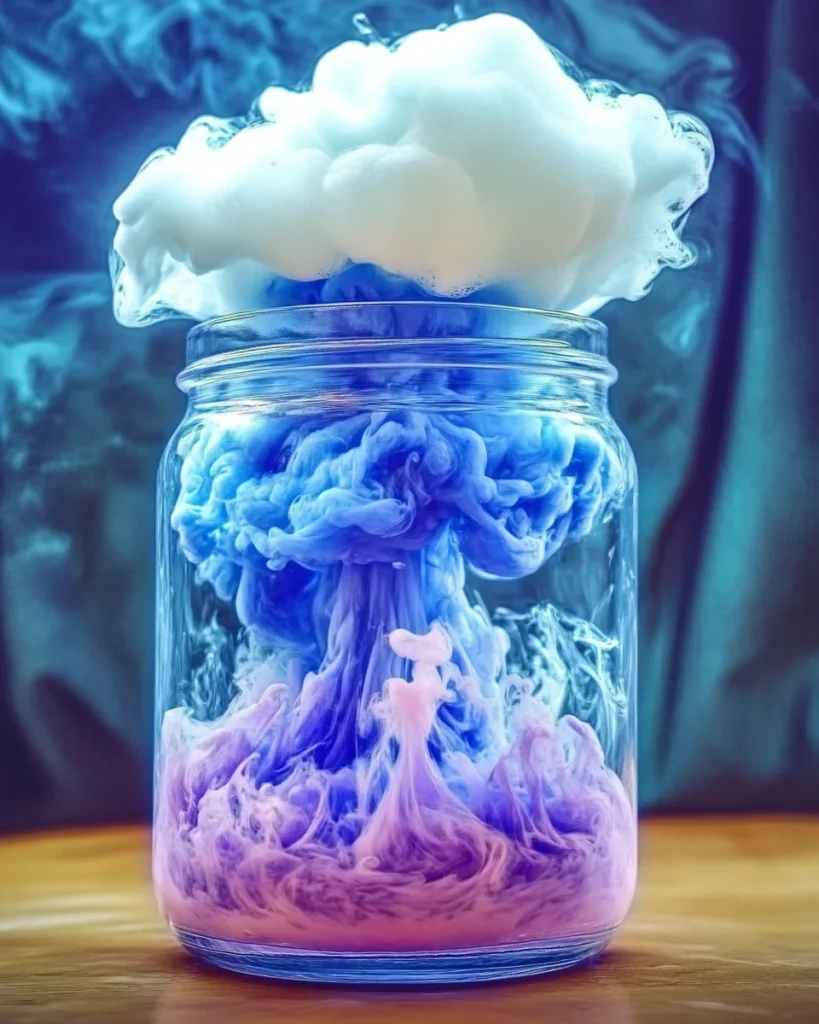
Gathering the right ingredients is half the fun of Simple Cloud Experiments. Luckily, you probably already have most of these items in your home! Here’s what you’ll need:
- 1 large clear glass jar or cup: Think Mason jars or any clear container you have. This will be the home for your mini weather experiment.
- Water: Plain old tap water works perfectly. It represents the atmosphere, so don’t stress too much about fancy water.
- White shaving cream: Use the foaming type only—this light and airy cream will become your soft cloud. Skip the gel varieties as they won’t give the desired effect.
- Food coloring: Blue is a classic choice for rain, but feel free to get creative! Yellow, red, or even green can add a vibrant twist to your cloud experience.
- Small bowls or cups: Perfect for mixing different colors of food coloring with a little water. It’s all about creativity here!
- Droppers, pipettes, or a teaspoon: These handy tools help you control how you add the colored water to your cloud. If you don’t have a dropper, a teaspoon works just fine!
For more details on exact quantities, check the bottom of the article. Get ready for a fun, educational adventure just waiting to unfold!
How to Make Simple Cloud Experiments
Getting hands-on with Simple Cloud Experiments is a breeze! Follow these steps, and you’ll be sparking curiosity and creativity in no time. This activity is not only fun but also educational, allowing kids to explore the science behind weather in a playful way.
Step 1: Prepare the Jar
Start by filling your clear jar about ¾ of the way full with water.
This water acts as our atmosphere, setting the stage for an exciting weather system. Make sure the container is stable to avoid spills during this bubbly adventure!
Step 2: Create Your Cloud
Next, grab the white shaving cream and gently spray a fluffy layer on top of the water.
Think of it as crafting a little fluffy cloud! You want it thick enough to hold droplets but not overly dense. Balance is key here; a light layer will let the colors seep through beautifully.
Step 3: Mix the Colors
Now it’s time to bring color into the fun! In small bowls or cups, mix several drops of food coloring with a bit of water.
If you’re feeling adventurous, prepare multiple colors for a rainbow effect. Each color will bring a different surprise, so let the kids choose their favorites. Creativity knows no limits!
Step 4: Make it Rain!
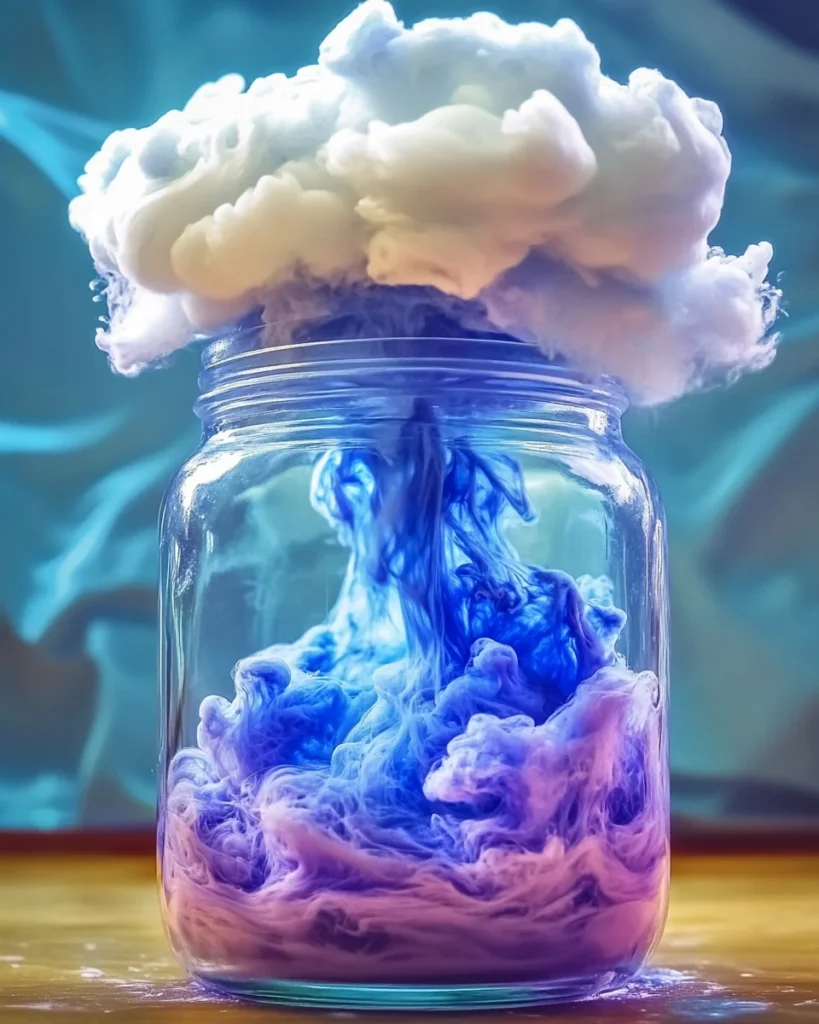
Using a dropper, pipette, or even a teaspoon, slowly drip the colored water onto your shaving cream cloud.
Watch closely as magical droplets begin to break free from the cloud and rain down into the jar! It’s a beautiful sight that makes for great discussions about how weather works.
Step 5: Engage with Curiosity
As the kids observe, encourage them to ask questions about the experiment.
<p“Why do you think the colors are falling?” or “What happens if we add more color?” Bring every bit of curiosity to life! This is where the science sparkles. Use their predictions to dive deeper into weather dynamics!
Tips for Success
- Keep a towel or tray under your setup for easy cleanup—things can get a bit messy!
- If the rain doesn’t appear quickly, try thinning out the shaving cream layer.
- Involve your kids in the preparation process to boost their engagement. They’ll love being part of the fun!
- Experiment with mixing colors to discover new shades and fun results!
- Be ready with follow-up questions to keep their curiosity flowing throughout the experiment.
Equipment Needed
- Clear jar or cup: A Mason jar works well, but any clear container will do.
- Dropper or pipette: If you don’t have these handy, a regular teaspoon gets the job done.
- Small bowls or cups: Any small receptacles for mixing colors are perfect.
Variations
- Rainbow Cloud: Use multiple colors of food coloring to create a stunning rainbow effect. Watch the colors blend beautifully as they fall like rain!
- Magical Glitter Storm: Add a sprinkle of biodegradable glitter into your jar for that “magical thunderstorm” look. It makes the rain sparkle like diamonds!
- Glow-in-the-Dark Fun: Mix in some glow-in-the-dark paint with your food coloring for a nighttime twist to your cloud experiment. The colors will illuminate in subdued light!
- Experiment with Flavors: Swap the food coloring with flavored drink powders for a sensory exploration—just remember this won’t result in rain, but will still be fun!
- Seasonal Themes: Change the colors based on the season—think pastel colors for spring clouds or vibrant oranges and reds for autumn! Celebrate the season while learning about weather.
Serving Suggestions
- Pair your Simple Cloud Experiments with a refreshing lemonade for a bright and tasty beverage.
- Serve homemade cookies decorated like clouds for a whimsical snack.
- Consider using a weather-themed tablecloth to make the presentation pop and enhance the fun atmosphere!
- Invite friends or family to join in; group experiments bring smiles and laughter.
FAQs about Simple Cloud Experiments
What age group is best for Simple Cloud Experiments?
This activity is perfect for kids aged 4 and up. Even older kids will find joy in observing and discussing the science behind clouds and rain!
Can I use different types of containers?
Absolutely! Any clear jar or cup will work. Just make sure it’s stable enough to hold the water without tipping over.
What should I do if the colored water doesn’t fall through the cloud?
If the colored water isn’t falling, try thinning the layer of shaving cream. A lighter cloud allows the colors to penetrate better!
Is it possible to eat the ingredients used in Simple Cloud Experiments?
While the ingredients are not toxic, they’re not meant for consumption. Stick to watching the magic happen instead!
How can I expand this experiment for more learning?
Encourage discussions on weather concepts, like types of clouds or the water cycle, to deepen their understanding while keeping their minds engaged.
Final Thoughts
Engaging in Simple Cloud Experiments brings a delightful blend of education and fun right into your home. Watching the colorful rain fall from the fluffy clouds stirs excitement and wonder in both kids and adults alike. It’s a unique opportunity to bond over science while fostering a sense of curiosity. As you participate in this joyful activity, you’ll create lasting memories that go beyond just learning. So gather your supplies and prepare to transform a regular day into an extraordinary exploration of weather. Who knew that a jar could hold so much potential for discovery and laughter?
Print
Simple Cloud Experiments
- Total Time: 10 minutes
- Yield: 1 experiment 1x
- Diet: Vegetarian
Description
Simple Cloud Experiments is an engaging activity that allows kids to create their own weather by simulating clouds and rain in a jar using household items.
Ingredients
- 1 large clear glass jar or cup (Mason jars work well)
- Water (tap water is fine)
- White shaving cream (foaming type only, avoid gel)
- Food coloring (blue is classic, but any color works)
- Small bowls or cups (to mix your food coloring with water)
- Droppers, pipettes, or a teaspoon (for adding colored water)
Instructions
- Fill your clear jar about ¾ of the way full with water. This represents the atmosphere in your mini weather system.
- Gently spray a fluffy layer of white shaving cream on top of the water. This acts as your cloud. Make it thick enough to hold liquid but not too dense.
- In small bowls or cups, mix several drops of food coloring with a bit of water. If you’re doing a rainbow cloud, prepare multiple colors.
- Using a dropper, pipette, or teaspoon, slowly drip the colored water onto the shaving cream cloud. Watch closely! Once the “cloud” is full, colored droplets will fall through into the water below, simulating rain.
- Let the kids watch the process closely and ask questions. Encourage predictions: “How many drops until it rains?” “What happens if we add more color?”
Notes
- Use a tray or towel under your setup for easy cleanup.
- The thinner the shaving cream layer, the quicker the rain appears.
- Mix your own colors (red + blue = purple, blue + yellow = green) for extra fun.
- Add biodegradable glitter to the rain for a “magical thunderstorm” look.
- Great for science fairs, homeschool days, or preschool learning.
- Prep Time: 10 minutes
- Cook Time: 0 minutes
- Category: Science Experiment
- Method: Hands-On
- Cuisine: N/A
Nutrition
- Serving Size: N/A
- Calories: N/A
- Sugar: N/A
- Sodium: N/A
- Fat: N/A
- Saturated Fat: N/A
- Unsaturated Fat: N/A
- Trans Fat: N/A
- Carbohydrates: N/A
- Fiber: N/A
- Protein: N/A
- Cholesterol: N/A