
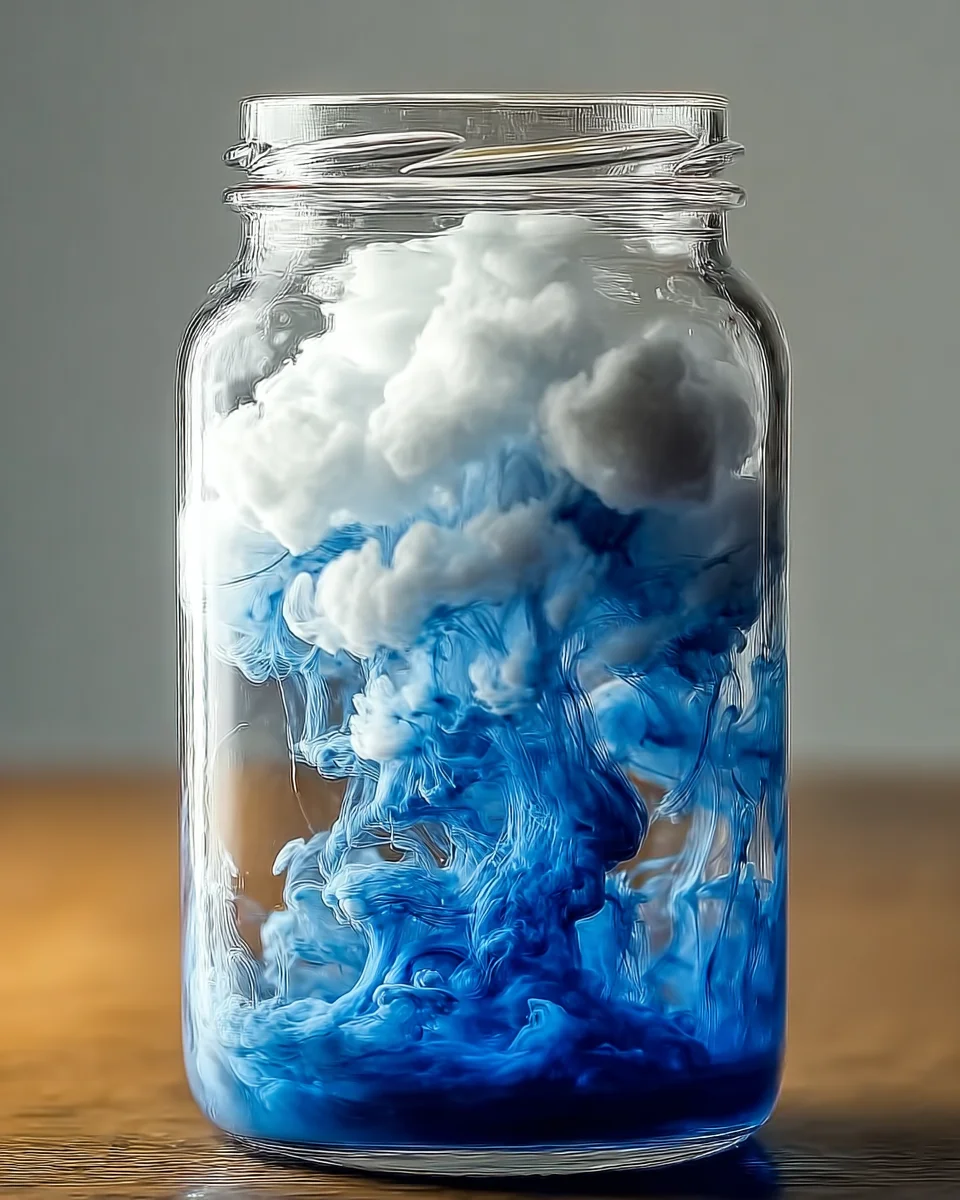
Introduction to Weather in a Jar
There’s something magical about involving children in science and creativity, isn’t there?
As a passionate home cook and mom, I cherish the moments when we can explore the world together.
With “Weather in a Jar,” you and your kids can engage in a delightful journey through weather patterns right from your kitchen!
This fun experiment not only captivates little minds but also sparks curiosity in older ones.
It’s a fantastic way to make science feel approachable, allowing everyone to experience the wonder of nature in a jar.
So, let’s dive into the atmospheric fun!
Why You’ll Love This Weather in a Jar
As a busy mom, I know how precious time is, especially when juggling work and family.
That’s why this “Weather in a Jar” experiment is perfect—it’s quick and easy!
In just a few simple steps, you can engage your kids and ignite their curiosity.
Plus, it’s a fun hands-on way to introduce the water cycle, making learning enjoyable while creating family memories.
What could be better than science and smiles in just one jar?
Ingredients for Weather in a Jar
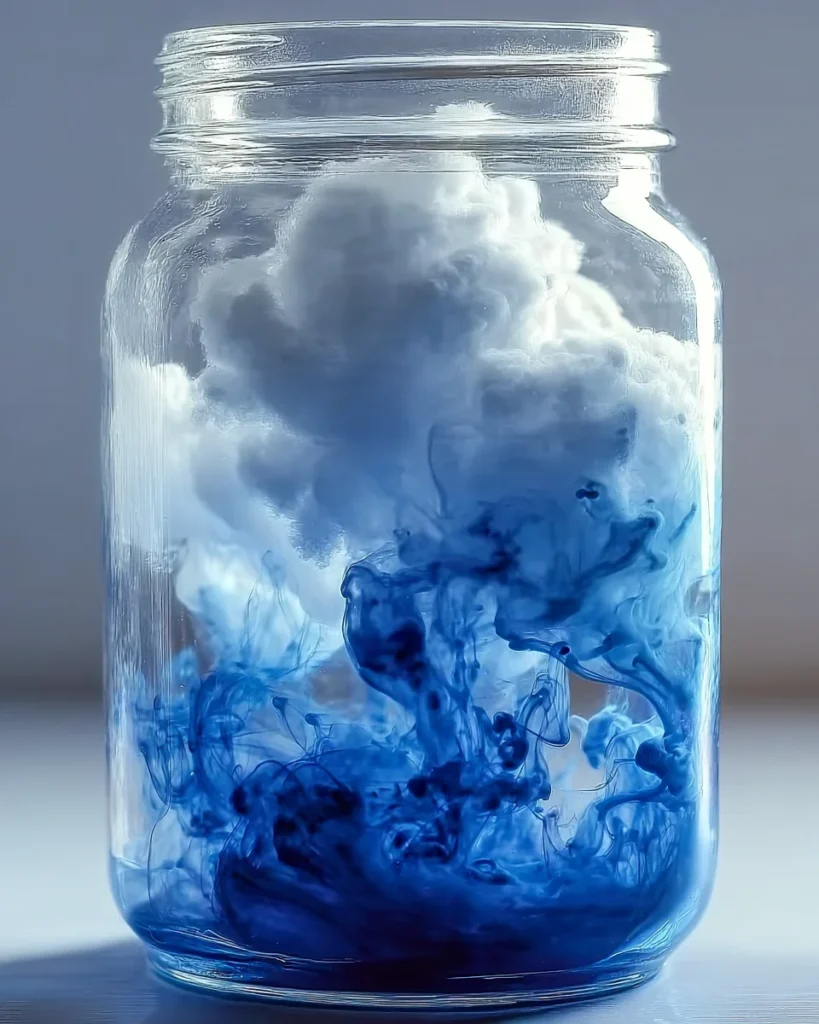
Gathering the ingredients for your “Weather in a Jar” is as simple as a summer breeze! You’ll need a clean jar or clear glass, which represents our atmosphere, just waiting to be filled.
Next, grab two cups of water to symbolize the air surrounding us. No weather experience is complete without clouds, so you’ll need some shaving cream, the fluffy kind that turns a simple jar into a stormy sky.
Finally, food coloring brings everything to life, allowing you to create vibrant rainbows or dark storm clouds!
Exact quantities are below, but don’t stress—it’s easy to find these at home and mix them up in no time.
How to Make Weather in a Jar
Creating your “Weather in a Jar” is easier than you might think!
Let’s turn your kitchen into a mini science lab.
Grab your ingredients, and get ready to embark on this hands-on adventure that’s packed with fun and learning!
Step 1: Prepare Your Jar
Start by filling your clean jar or glass with two cups of water.
This water acts like the atmosphere, setting the stage for our weather simulation.
Just picture it: all that clear water is like the sky, waiting to host the magical events that follow!
Step 2: Create Your Clouds
Next, it’s time to add some fluffy fun!
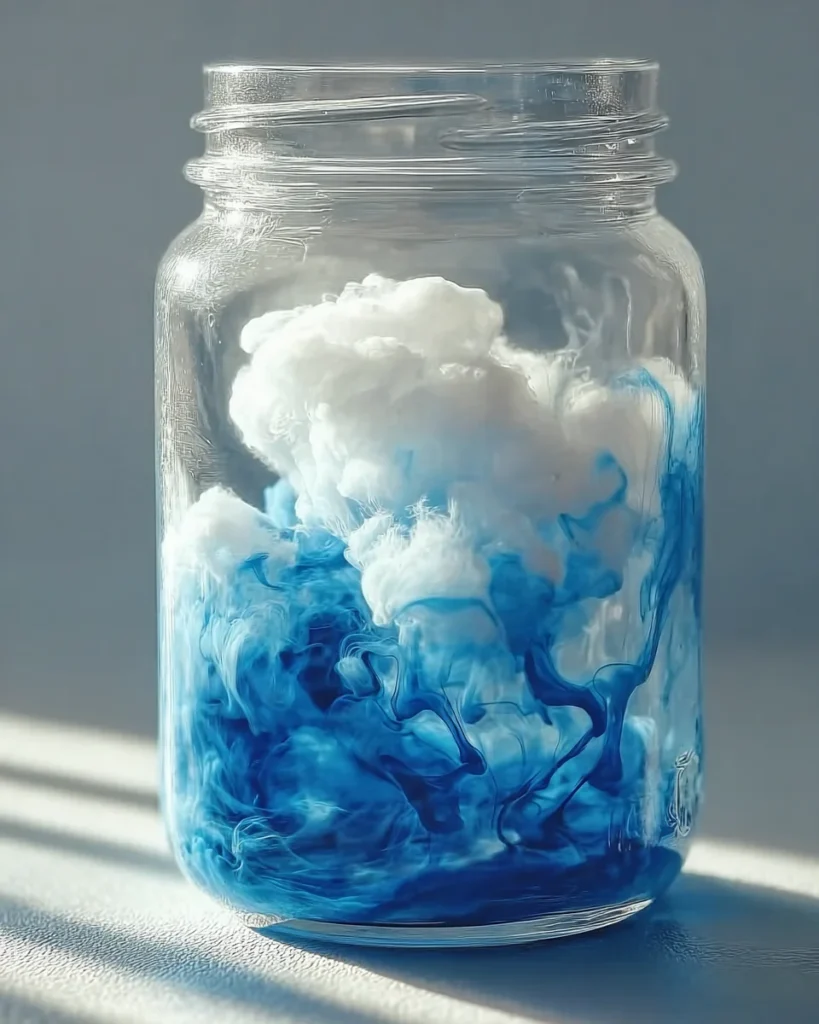
Gently spoon out a thick layer of shaving cream on top of the water.
This cloud layer is so satisfying to work with—it’s like a cloud in your hands.
Plus, kids will love getting their hands into the light fluffy texture.
Step 3: Add Color to Your Clouds
Now the fun really begins!
Grab your food coloring and start to drip a few drops onto the shaving cream.
Feel free to experiment with different colors—red, blue, yellow; the choice is yours!
Watch as they burst on the cloud surface, creating an artful display of magic.
You can even create a rainbow effect by mixing and layering colors!
Just don’t stir the mixture, as we want that striking visual to unfold naturally.
Step 4: Observe What Happens
Finally, it’s time to kick back and let nature work its magic!
As time passes, the food coloring will slowly seep through the shaving cream.
It mimics rain falling from clouds into the sky, creating a beautiful display in the water below.
Encourage your kiddos to observe and discuss what they’re seeing.
Ask them questions like, “What do you think is happening?” and “How does this relate to rain?”
It’s a captivating process that’s not only visually stimulating but also a wonderful lesson in science!
Tips for Success
To make your “Weather in a Jar” experience even more enjoyable, consider these handy tips:
- Document observations together! Grab a notebook and jot down what you see at different intervals.
- Extend the lesson! Discuss how rain forms and why it’s essential for our planet.
- Make it creative! Use scented markers or add glitter for a magical touch to your clouds.
- Turn it into a game! Challenge your kids to describe the colors and their feelings about each weather type.
Equipment Needed
While “Weather in a Jar” is quite simple, having the right equipment can enhance your experience. Here are some useful tools or alternatives:
- Any clear container, like a glass or plastic bottle.
- A spoon for layering the shaving cream smoothly.
- A pipette or dropper for precise food coloring application.
- Paper towels for easy cleanup of spills.
Fun Variations for Weather in a Jar
Ready to add a twist to your “Weather in a Jar” experiment?
These playful variations will keep the fun flowing and your kids engaged.
Let’s get creative and explore different ways to communicate the wonders of weather!
- Scented Clouds: Add a few drops of essential oils to your shaving cream for a delightful surprise. Imagine the smell of lavender “rain” or a citrus “storm”—it’s a sensory experience that brings your clouds to life!
- Storm Simulation: Want to amp up the drama? After observing the rain, shake the jar gently to mimic a storm. Watch how the food coloring swirls and twirls, creating an exciting visual that feels just like nature’s fury!
- Color Explosion: Incorporate more colors! Add several drops of different food colorings in a sequence to see how they blend and create mesmerizing patterns. It’s like a mini lava lamp but with a weather twist!
- Temperature Change: Discuss how temperature affects weather by filling one jar with warm water and another with cold water. Repeat the experiment in both and observe how the reactions differ. A great way to introduce thermal dynamics!
- Experiment with Different Liquids: Try using colored soda or juice instead of water. This will create an entirely different visual effect and add a deliciously sweet twist to your science fun!
Serving Suggestions
Even though “Weather in a Jar” is a fun science experiment, there are countless ways to enjoy the final product creatively! Here are some ideas to make the experience even more delightful:
- Share your weather creation with friends during a playdate—everyone loves a science chat!
- Take pictures of your colorful rain magic to capture the moment.
- Follow up with a rainy day storytelling session, using your jar as a prop!
FAQs about Weather in a Jar
As we dive into the world of “Weather in a Jar,” it’s only natural to have a few questions along the way.
Let’s tackle some common queries to help make this exciting science experiment smooth and enjoyable!
Is the food coloring safe for kids?
Absolutely! Food coloring is generally safe but always opt for non-toxic brands, especially for younger kids.
If you’re concerned, consider wearing gloves and making sure no one puts their hands in their mouths during the experiment.
Can we reuse the water after the experiment?
I wouldn’t recommend it! After performing the experiment, the water will have food coloring mixed in, which might stain.
It’s best to pour it out and give your jar a good rinse before trying it again.
How can we extend our learning experience?
There are so many fun ways to dive deeper!
You can discuss the water cycle, encourage kids to draw their own weather patterns, or even create stories based on their observations.
Try exploring different weather conditions and how they affect our lives!
What’s the best way to clean up afterward?
Cleanup is a breeze!
Since shaving cream and food coloring can mess things up a bit, have some paper towels on hand for spills.
Wipe everything down, and be sure to wash your jar thoroughly to avoid stains.
What if my kids want to change the recipe?
That’s fantastic!
Encourage them to experiment with different colors or use various containers.
Their creativity can lead to new discoveries—share your own fun variations above, and see what else they can come up with!
Final Thoughts
Creating “Weather in a Jar” is more than just an experiment; it’s a heartwarming day of bonding and discovery.
As the colors swirl and rain falls in your jar, you’ll witness the joy of learning unfold before your eyes.
This delightful activity not only captivates kids but also sparks curiosity in all ages!
Who knew that a simple jar could open the door to fascinating discussions about weather and our world?
With every drop of color, you’re building memories that will linger long after the rain has stopped.
Print
Weather in a Jar: Create Your Own Rain Magic Today!
- Total Time: 30 minutes
- Yield: 1 experiment 1x
- Diet: N/A
Description
An engaging science experiment to simulate weather patterns using household items.
Ingredients
- 1 clean jar or clear glass
- 2 cups of water
- Shaving cream (the foam type, not gel)
- Food coloring in various colors
Instructions
- Begin by filling your jar or glass with 2 cups of water. This represents the atmosphere in our model.
- Gently add a thick layer of shaving cream on top of the water. This fluffy layer acts as the cloud in your weather simulation.
- Carefully drip a few drops of food coloring onto the shaving cream cloud. You can use one color or multiple for a rainbow effect.
- Watch and wait. Do not stir the mixture. Over time, the food coloring will seep through the shaving cream and fall into the water like rain.
Notes
- This experiment serves as an educational tool to explain the water cycle.
- Encourage children to observe and describe what they see.
- Experiment with different colors and amounts of food coloring for varied results.
- Prep Time: 5 minutes
- Cook Time: 0 minutes
- Category: Science Experiment
- Method: Mixing and observation
- Cuisine: N/A
Nutrition
- Serving Size: N/A
- Calories: N/A
- Sugar: N/A
- Sodium: N/A
- Fat: N/A
- Saturated Fat: N/A
- Unsaturated Fat: N/A
- Trans Fat: N/A
- Carbohydrates: N/A
- Fiber: N/A
- Protein: N/A
- Cholesterol: N/A