
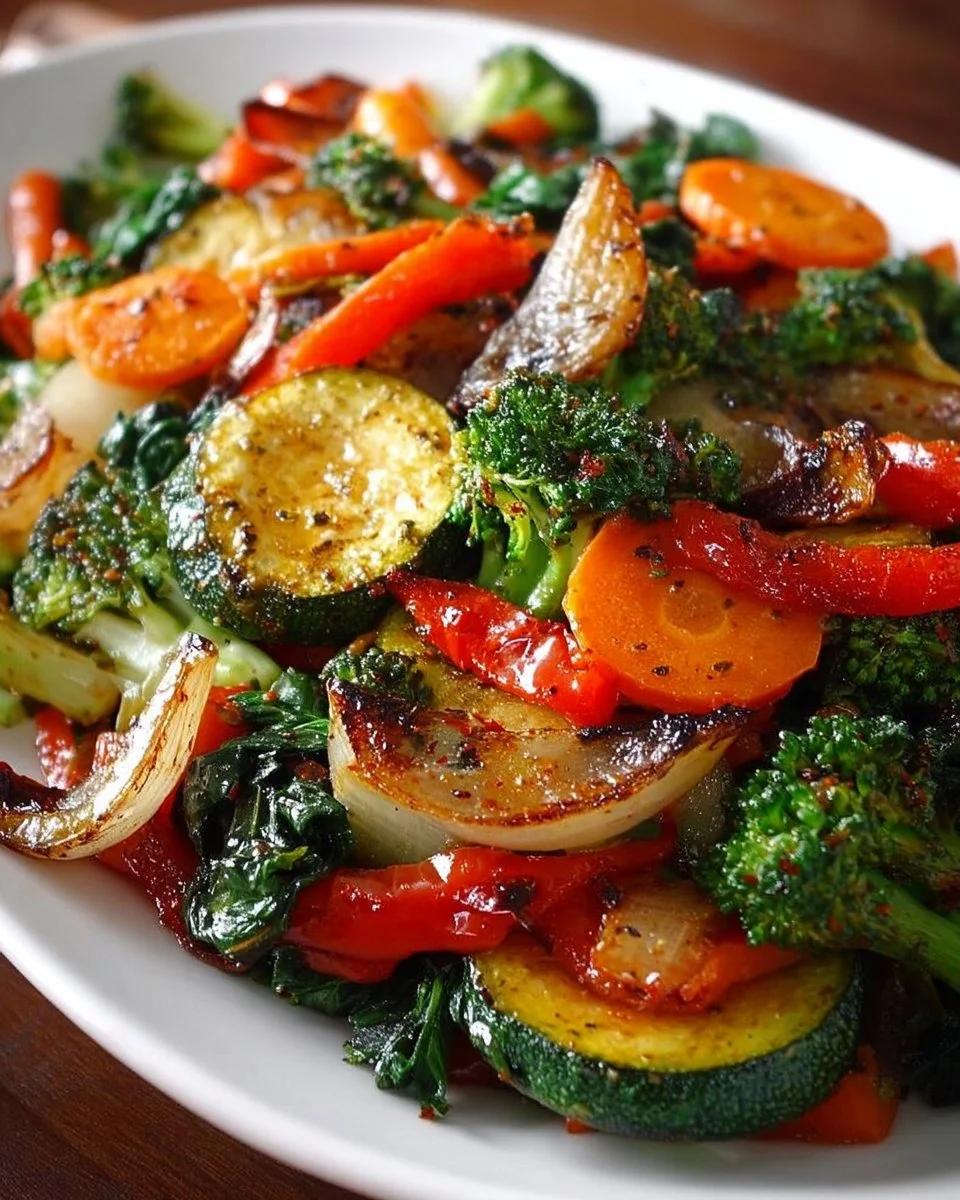
Sautéed vegetables fill the kitchen with an inviting aroma, a warm reminder that some of the best delights come from simple ingredients. Imagine a vibrant medley of colorful bell peppers, crisp broccoli, and tender zucchini dancing together in a sizzling skillet, their natural sweetness coaxed out by just a touch of olive oil. As you sauté, the sound of vegetables crackling adds to the symphony of cooking, while the earthiness of garlic blends into that medley, enriching the experience and making your taste buds sing with anticipation.
Each vegetable offers its unique character, from the smoky, sweet notes of bell peppers to the fresh, slightly bitter crunch of broccoli. You can almost taste the glow of the sun in every bite. The vegetables retain that perfect balance of tender-crisp texture, ensuring you savor each moment as your fork glides through the colorful dish. Sautéed vegetables become not just food, but a vibrant celebration on your table, connecting you to nature and nourishment in one dish.
Why You’ll Love This Sautéed Vegetables
This sautéed vegetables recipe isn’t just a side dish; it’s a canvas for creativity and a celebration of health. The medley bursts with flavor while packing a punch of nutrients, making it a fantastic addition to any meal. You’ll love that it takes mere minutes to prepare, yet brings freshness and vibrancy to your dinner table. Perfect for busy weeknights or leisurely weekend gatherings, these sautéed vegetables impress with their beautiful presentation and delightful taste.
The beauty of sautéed vegetables lies in their versatility. You can toss them into a grain bowl, serve them alongside grilled meats, or use them as a topping for pasta. They shine not only as a side dish but can also take center stage in plant-based meals. Their vibrant colors and rich flavors make every bite a celebration of the season’s best offerings.
Preparation Phase & Tools to Use
Before diving into the recipe, equip yourself with a few essential kitchen tools that make the process easier and more enjoyable. A large skillet or sauté pan heats up quickly and provides plenty of space for the vegetables to cook evenly. A wooden spatula becomes your trusty companion for flipping and stirring the vegetables. Don’t forget a good quality knife and cutting board for effortless chopping.
Here are some practical tips to set you up for success:
- Pre-chop your vegetables: If you’re crunched for time, prep your veggies ahead of time, storing them in airtight containers.
- Get the skillet hot: A properly heated skillet helps caramelize the vegetables’ natural sugars, enhancing their flavor and giving them that delightful golden-brown finish.
- Have your seasonings ready: Keep your salt, pepper, and garlic at hand to season your veggies perfectly.
Ingredients for Sautéed Vegetables
- 1 bell pepper
- 1 zucchini
- 1 carrot
- 1 cup broccoli florets
- 2 tablespoons olive oil
- Salt and pepper to taste
- 1 teaspoon garlic powder or minced garlic
Each ingredient brings a different layer of flavor and texture to the dish. The bell pepper offers sweetness and crunch, while the zucchini contributes a mild flavor and tender bite. Carrots provide a subtle earthiness and bright color, while broccoli florets add a satisfying crunch and nutritional benefits. Feel free to substitute with seasonal vegetables like asparagus, snap peas, or mushrooms for a delightful twist.
How to Make Sautéed Vegetables
-
Heat the olive oil: Begin by pouring the olive oil into a large skillet over medium heat. Let it warm for about a minute, ensuring it coats the pan evenly.
-
Add the vegetables: Toss in the chopped bell pepper, zucchini, carrot, and broccoli florets. The vibrant colors will ignite your cooking enthusiasm.
-
Sauté the vegetables: Stir the mix for about 5-7 minutes or until they turn tender-crisp. This brief cooking time allows each bite to retain its vibrant character while soaking up all that delicious oil.
-
Season generously: Sprinkle in salt, pepper, and garlic powder or minced garlic. Toss well to ensure even coating. These seasonings elevate the dish to new heights.
-
Serve immediately: Transfer your beautiful sautéed vegetables to a serving dish. Enjoy them as a side to your favorite protein or as a colorful addition to a grain bowl.
Chef’s Notes & Helpful Tips
- Make-ahead tips: You can chop the vegetables up to 24 hours in advance and store them in the refrigerator for quicker cooking.
- Cooking alternatives: For a different flavor, you can roast the vegetables in the oven at 400°F for about 20 minutes, or use an air fryer for a crispier texture.
- Customization ideas: Feel free to add your favorite herbs or spices, or even a squeeze of lemon juice once cooked for a zesty kick.
Common Mistakes to Avoid
Cooking sautéed vegetables can be simple but watch out for a few common pitfalls. Overcrowding the pan is a prevalent mistake; too many vegetables will steam rather than sauté, preventing that much-desired crispiness. Additionally, avoid cooking them on too low heat—medium is key for a perfect sauté. Finally, remember to add salt only towards the end of cooking to avoid drawing out too much moisture.
What to Serve With Sautéed Vegetables
Pair sautéed vegetables with an array of dishes to create a colorful and satisfying meal. Here are some delicious ideas:
- Grilled chicken: The smoky flavor of grilled chicken pairs beautifully with the fresh taste of sautéed vegetables.
- Fish tacos: Add seasoned fish and some crisp vegetables for a fresh and satisfying filling.
- Quinoa bowl: Toss the sautéed veggies with quinoa, black beans, and avocado for a hearty vegetarian meal.
- Pasta primavera: Mix these vegetables into your pasta dish, adding cream or olive oil for a rich and savory feast.
- Stir-fry: Incorporate them with soy sauce, tofu, and rice for an Asian-inspired dish.
- Omelets: Fold sautéed veggies into a fluffy omelet for a delightful breakfast or brunch option.
- Lentil salad: Combine with cooked lentils, feta, and herbs for a nutritious salad.
- Steak: The meaty richness of a perfectly cooked steak complements the freshness of sautéed vegetables.
Storage & Reheating Instructions
If you find yourself with leftovers, sautéed vegetables store well. Place them in an airtight container in the fridge, where they will last for up to 3 days. For reheating, a quick return to the skillet over medium heat will help them regain their delicious texture. Alternatively, microwave them for about 1–2 minutes; however, enjoy them sooner for the best flavor.
Estimated Nutrition Information
This sautéed vegetable medley provides a nutritious bite full of vitamins and minerals. Following the recipe as outlined brings the following approximate values per serving:
- Calories: 120
- Protein: 3g
- Fat: 8g
- Carbohydrates: 10g
- Fiber: 4g
- Sugar: 3g
Always consult with a nutritionist for more personalized dietary information.
FAQs
Can I use frozen vegetables for sautéing?
Absolutely! If you’re in a pinch, frozen vegetables can be a great time-saver. Just ensure they’re thawed and drained of excess moisture before adding them to the skillet.
Do I need to wash vegetables before sautéing?
Yes, washing fresh vegetables is essential to remove any dirt or pesticides. It’s best to dry them thoroughly, as excess water can cause the vegetables to steam rather than sauté.
What oils can I use besides olive oil?
While olive oil gives a lovely flavor, you can substitute with avocado oil, grapeseed oil, or vegetable oil for a higher smoke point.
Can I add protein to this dish?
Certainly! Chicken, shrimp, or tofu make excellent additions to your sautéed vegetables, transforming them into a complete meal.
Can I use other seasonings?
Most definitely! Feel free to play around with herbs like thyme, oregano, or even spices like paprika and chili powder to enhance the flavor profile of your sautéed vegetables.
Conclusion
Sautéed vegetables provide a culinary experience that is both satisfying and comforting, offering the freshest tastes of nature in each bite. They embody a sense of simplicity and are endlessly adaptable for any meal occasion. Whether you are serving them at a family dinner or making them part of a cozy, solo meal, their appeal is universal. Remember to experiment with your favorite vegetables and seasonings and let your creativity flow in the kitchen. For more ideas, check out this fantastic Sautéed Vegetables recipe or explore various ways to enjoy this dish at Simple Sautéed Vegetables – Budget Bytes. Happy cooking, and may your sautéed vegetables become a regular feature on your table! And for even more inspiration, visit Sauteed Vegetables Recipe – Wholesome Yum.
Print
Sautéed Vegetables
- Total Time: 17 minutes
- Yield: 4 servings 1x
- Diet: Vegan
Description
A vibrant medley of colorful bell peppers, crisp broccoli, and tender zucchini sautéed to perfection, creating a delightful side dish bursting with flavor and nutrients.
Ingredients
- 1 bell pepper
- 1 zucchini
- 1 carrot
- 1 cup broccoli florets
- 2 tablespoons olive oil
- Salt and pepper to taste
- 1 teaspoon garlic powder or minced garlic
Instructions
- Heat the olive oil: Begin by pouring the olive oil into a large skillet over medium heat. Let it warm for about a minute, ensuring it coats the pan evenly.
- Add the vegetables: Toss in the chopped bell pepper, zucchini, carrot, and broccoli florets. The vibrant colors will ignite your cooking enthusiasm.
- Sauté the vegetables: Stir the mix for about 5-7 minutes or until they turn tender-crisp. This brief cooking time allows each bite to retain its vibrant character while soaking up all that delicious oil.
- Season generously: Sprinkle in salt, pepper, and garlic powder or minced garlic. Toss well to ensure even coating. These seasonings elevate the dish to new heights.
- Serve immediately: Transfer your beautiful sautéed vegetables to a serving dish. Enjoy them as a side to your favorite protein or as a colorful addition to a grain bowl.
Notes
Make-ahead tips: Chop the vegetables up to 24 hours in advance and store them in the refrigerator. For a different flavor, consider roasting or air-frying the vegetables.
- Prep Time: 10 minutes
- Cook Time: 7 minutes
- Category: Side Dish
- Method: Sautéing
- Cuisine: Vegetarian
Nutrition
- Serving Size: 1 serving
- Calories: 120
- Sugar: 3g
- Sodium: 200mg
- Fat: 8g
- Saturated Fat: 1g
- Unsaturated Fat: 7g
- Trans Fat: 0g
- Carbohydrates: 10g
- Fiber: 4g
- Protein: 3g
- Cholesterol: 0mg